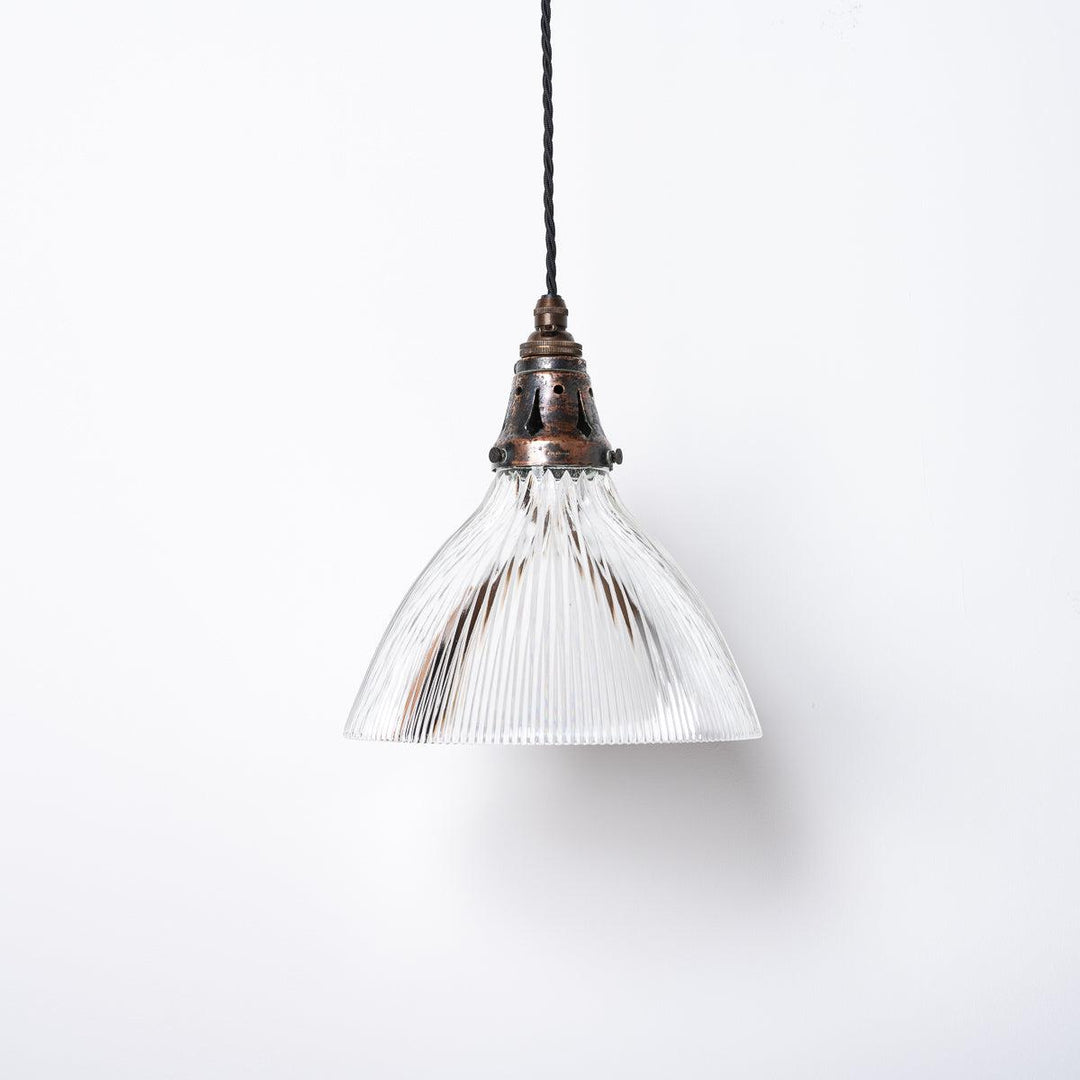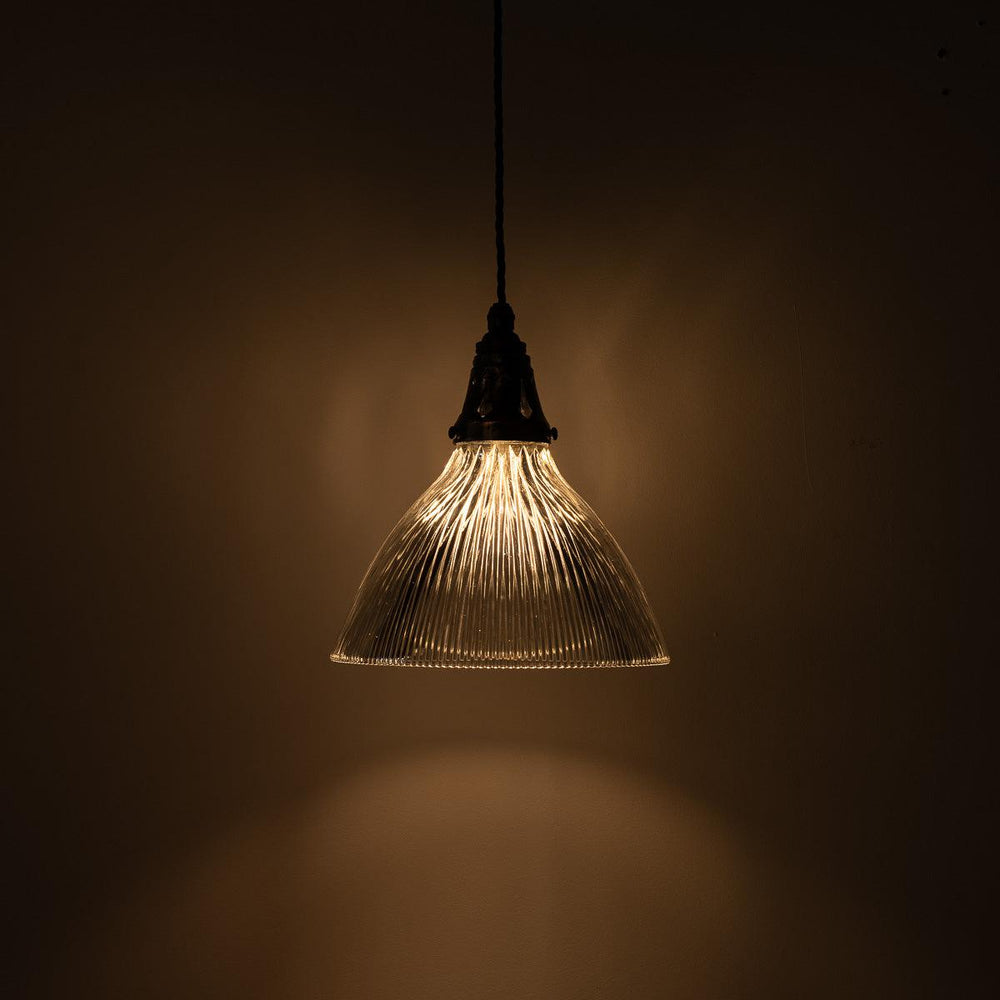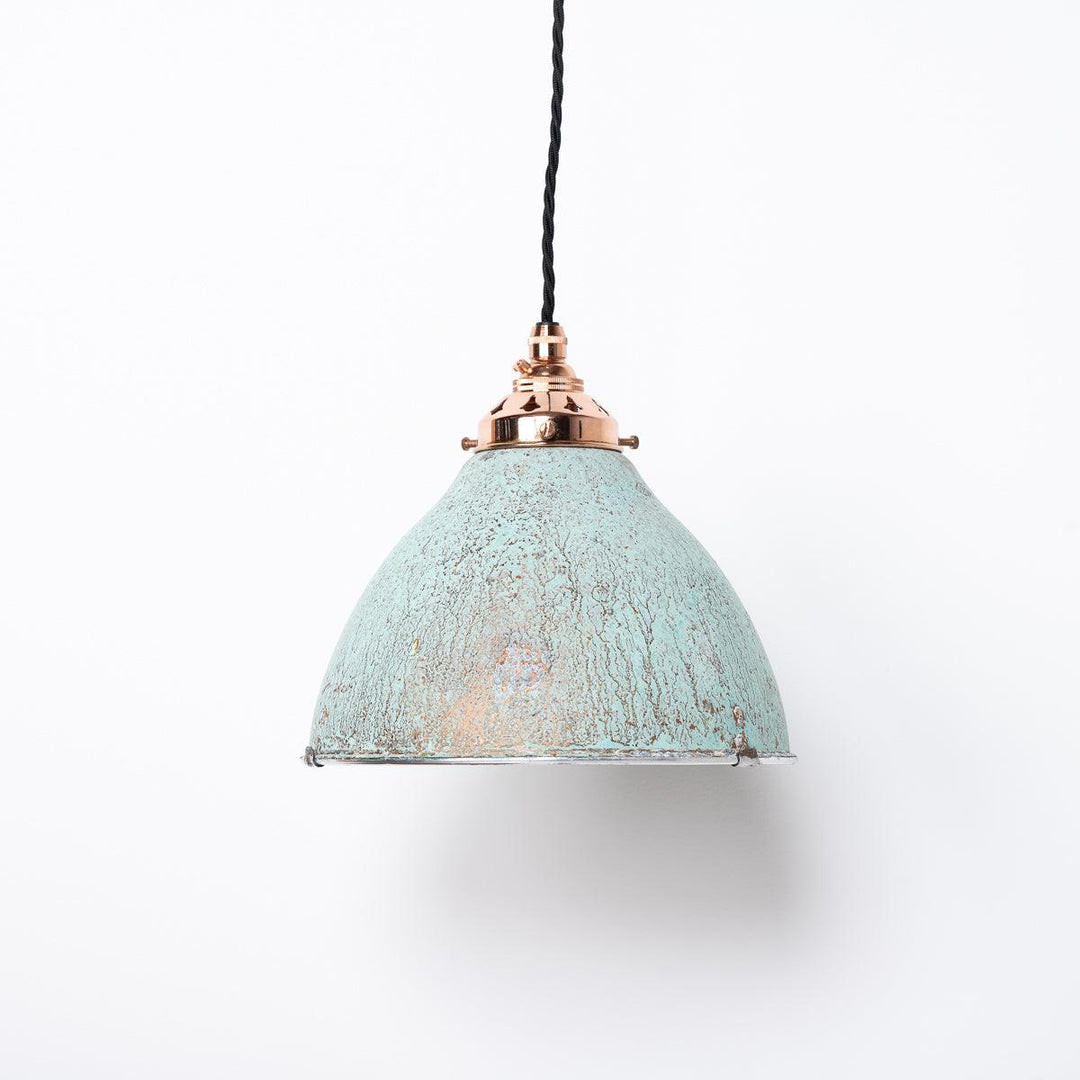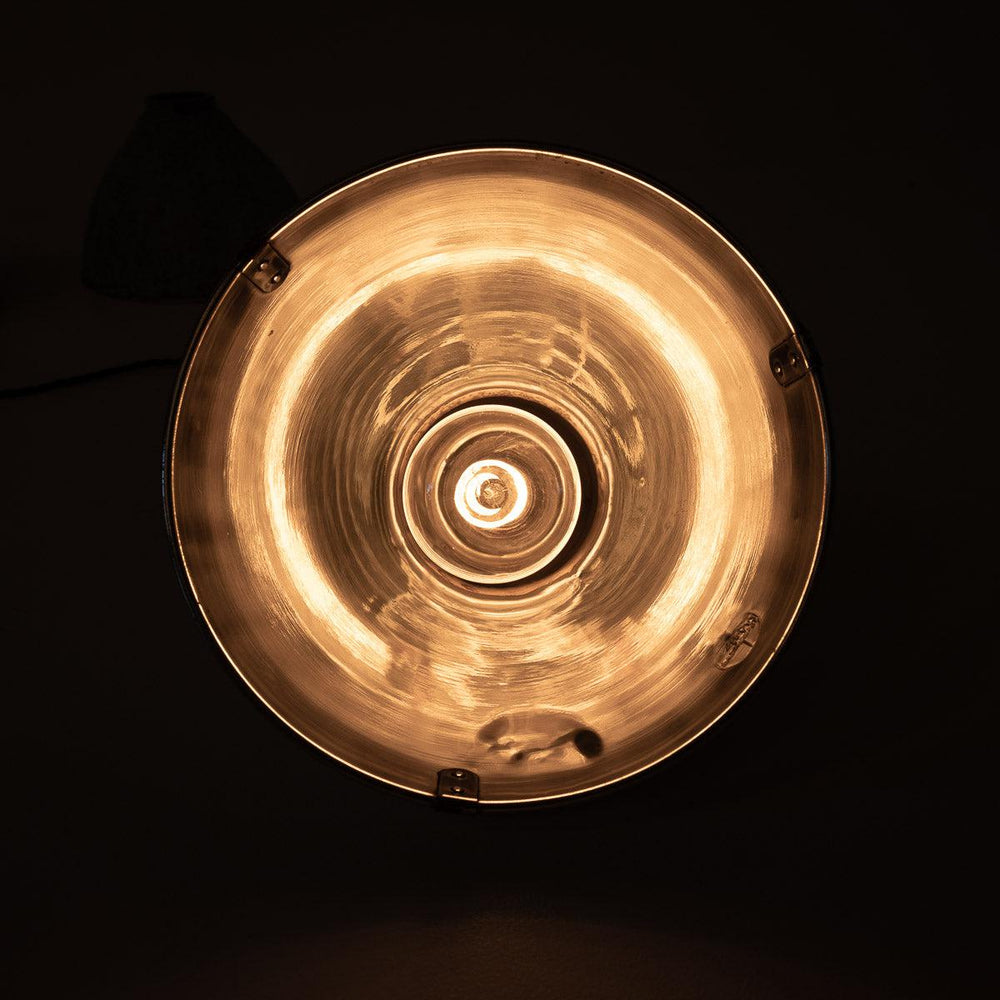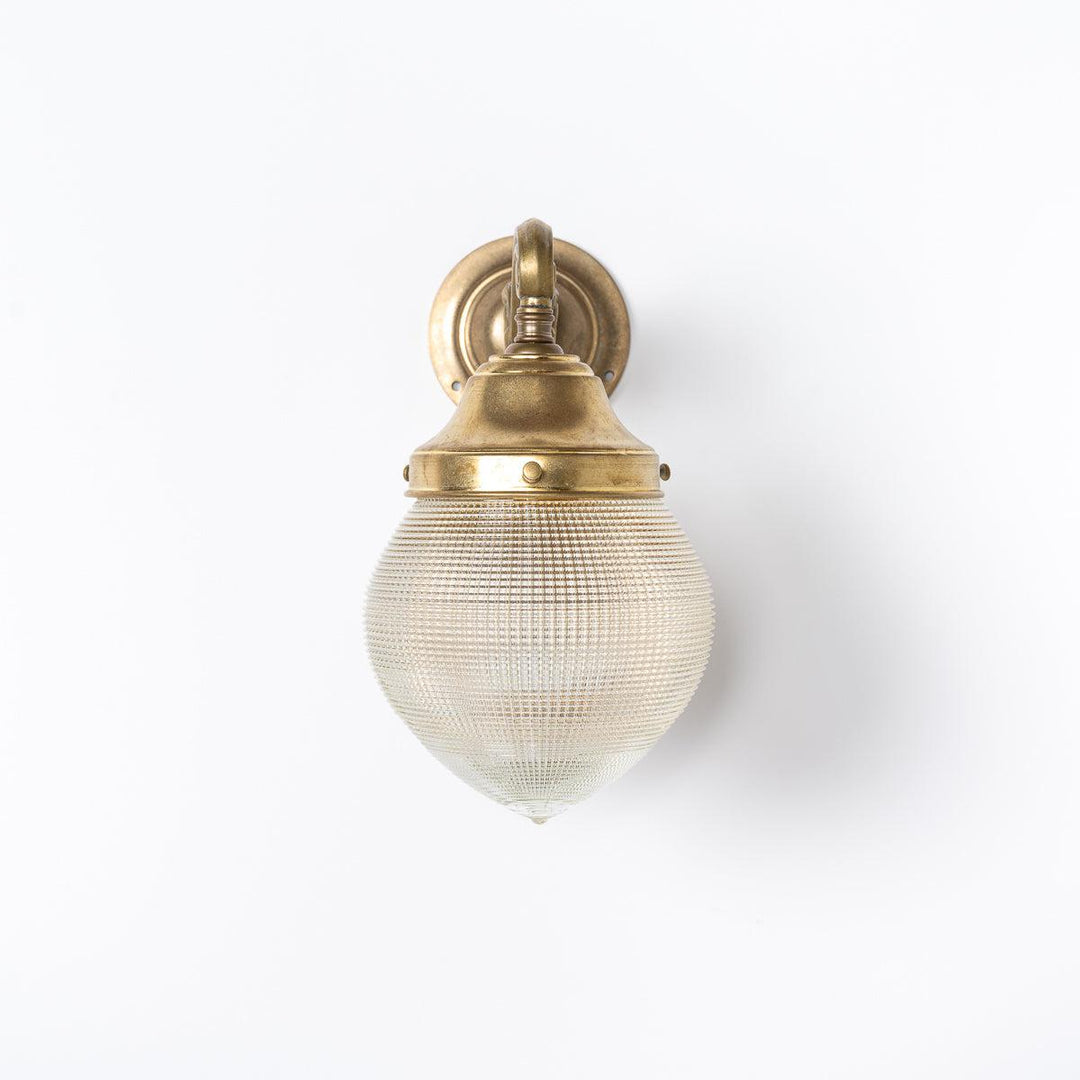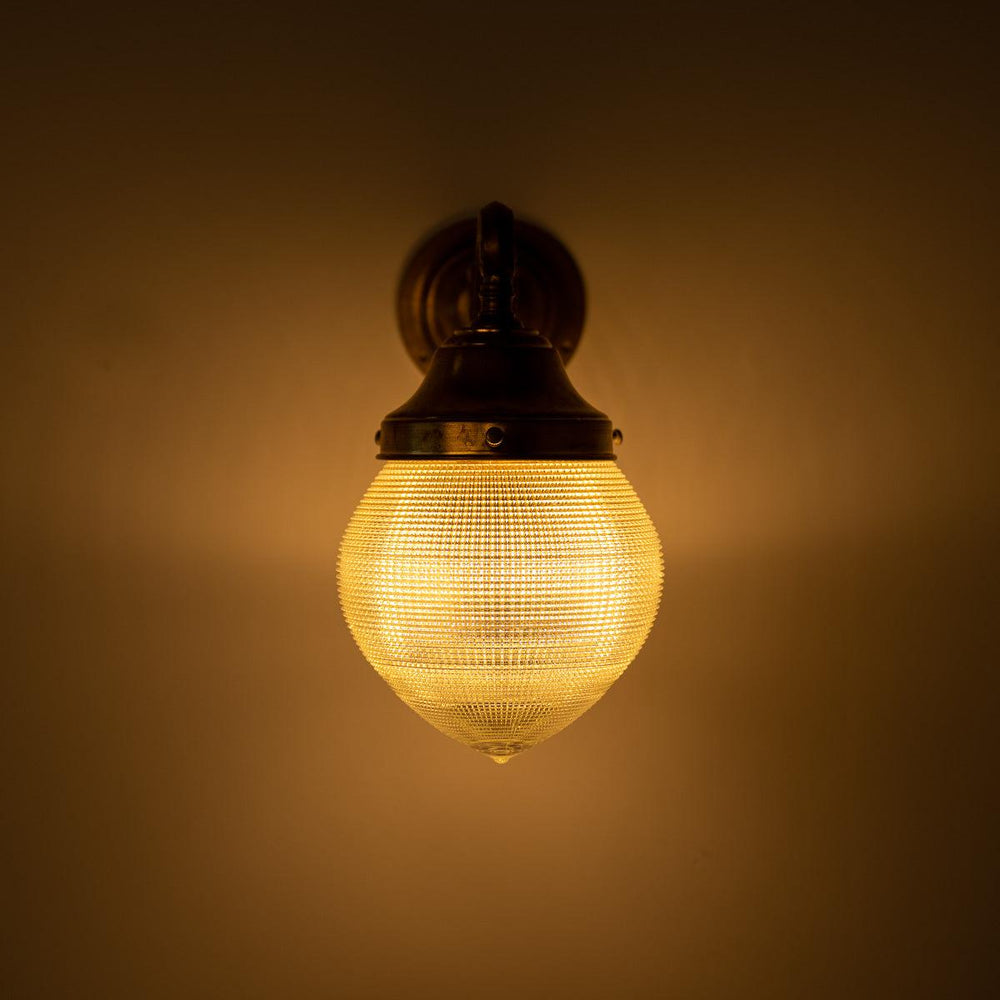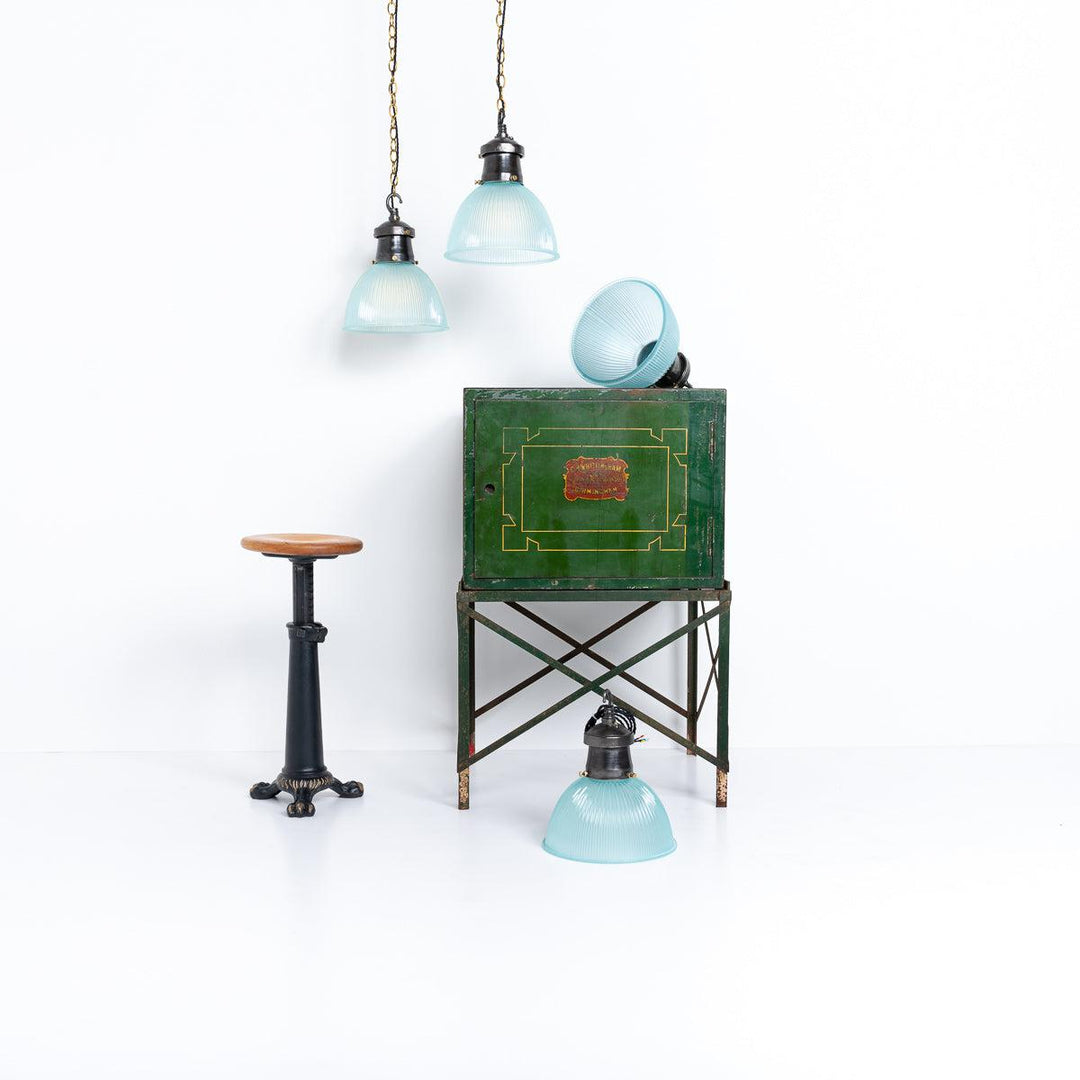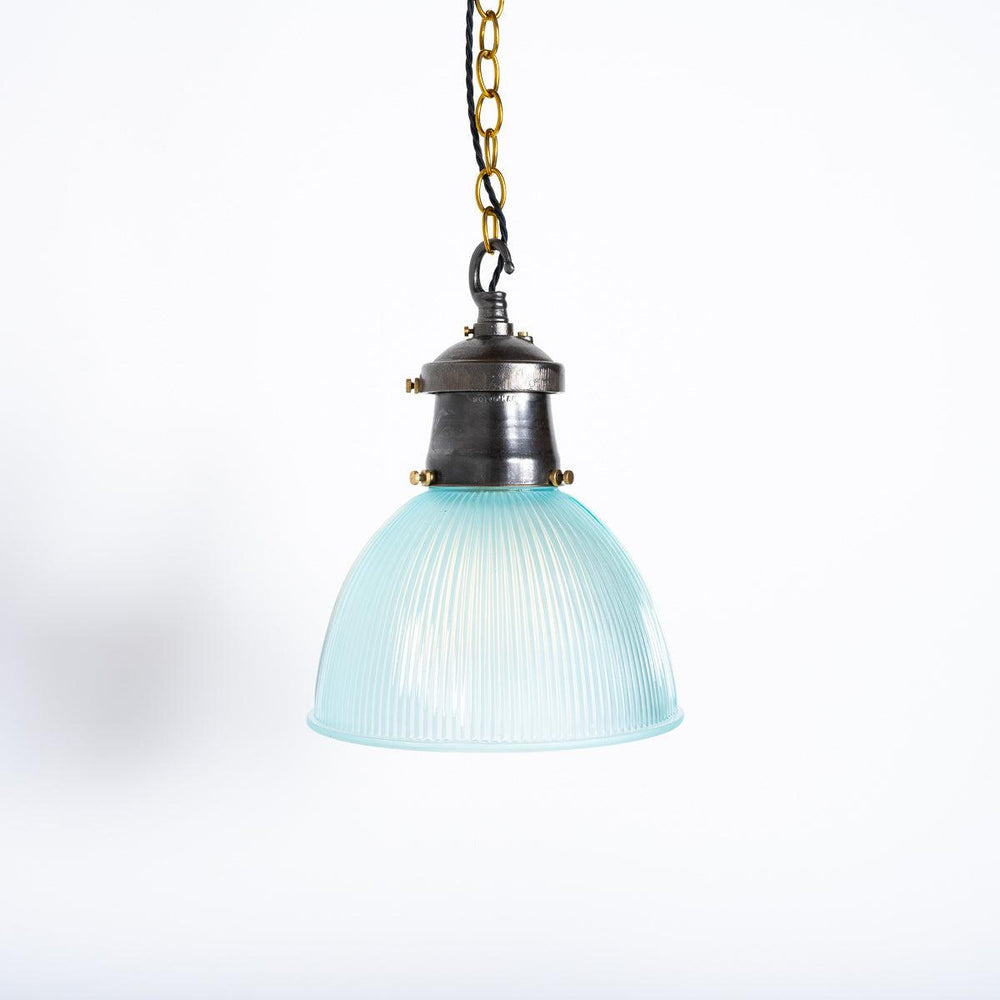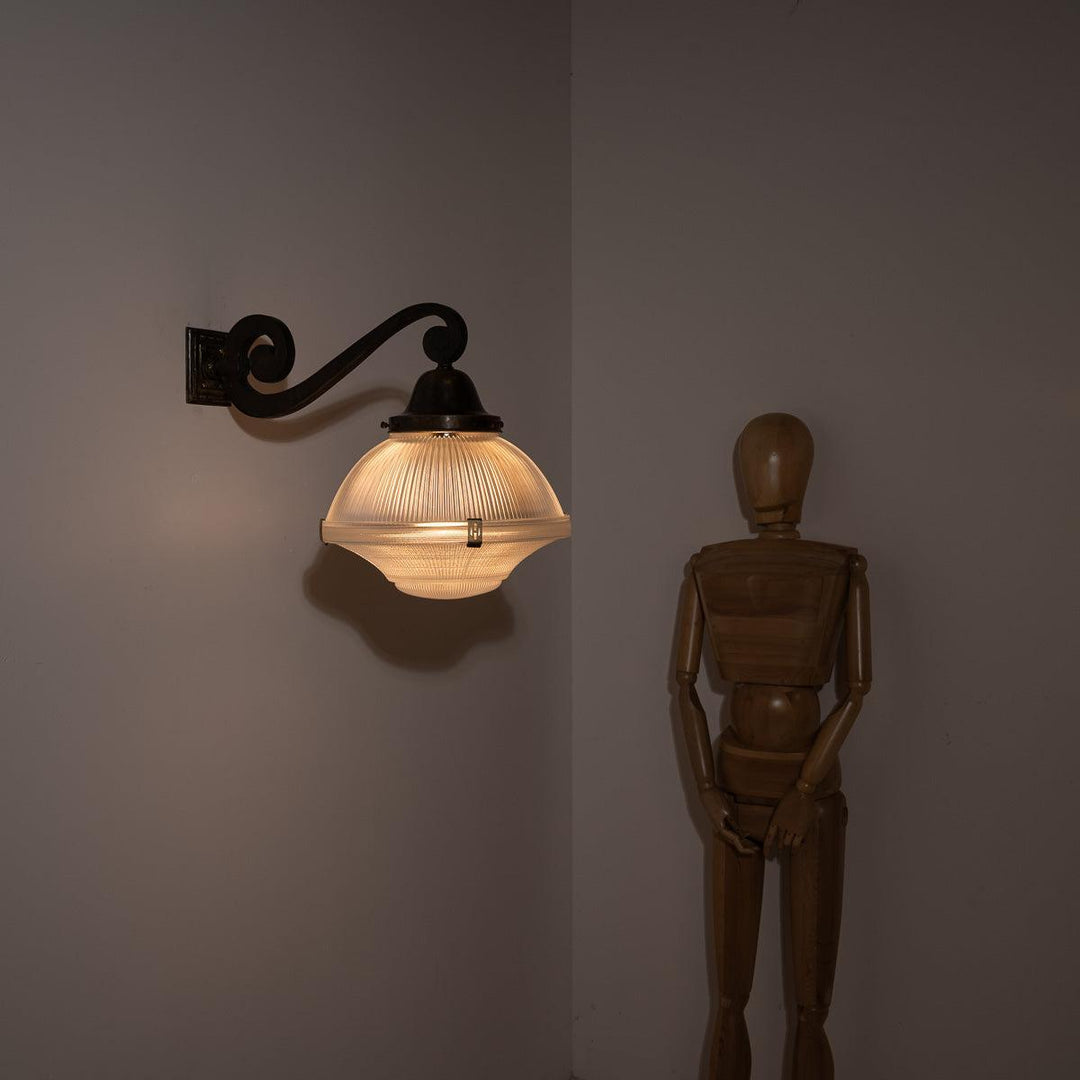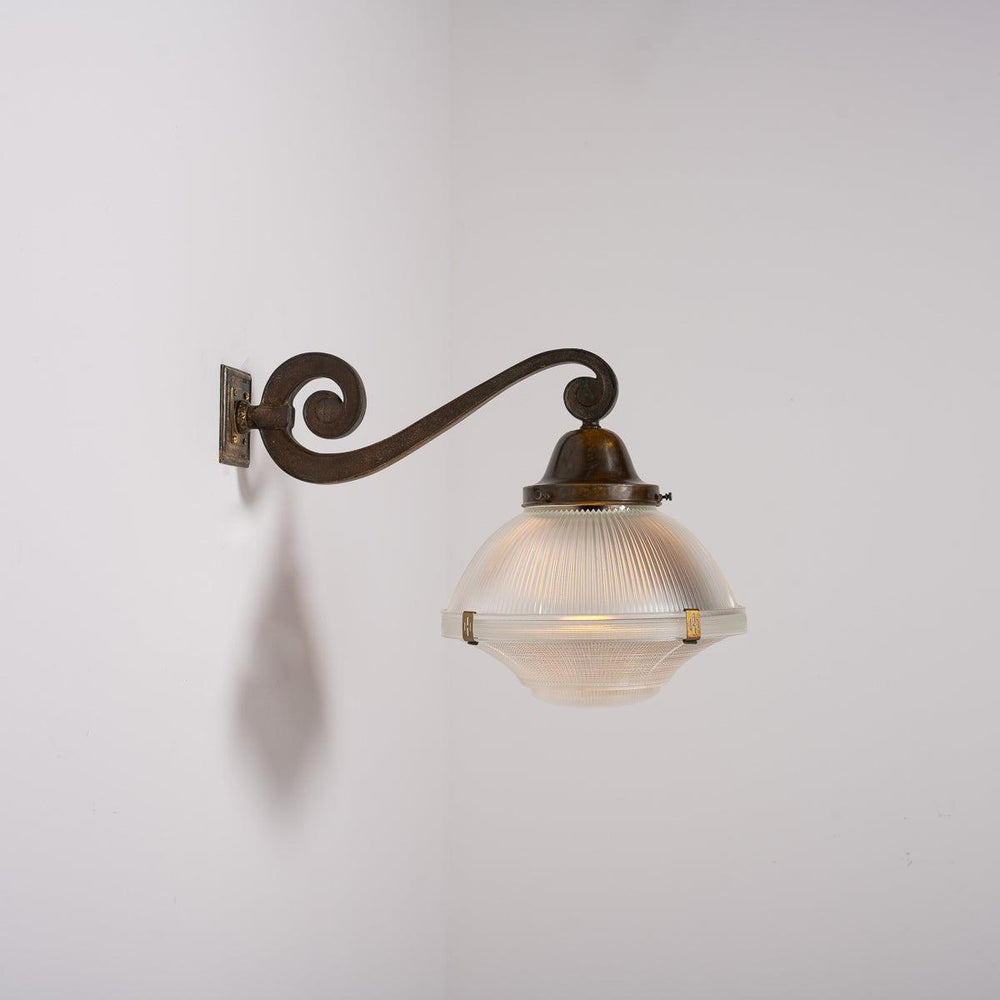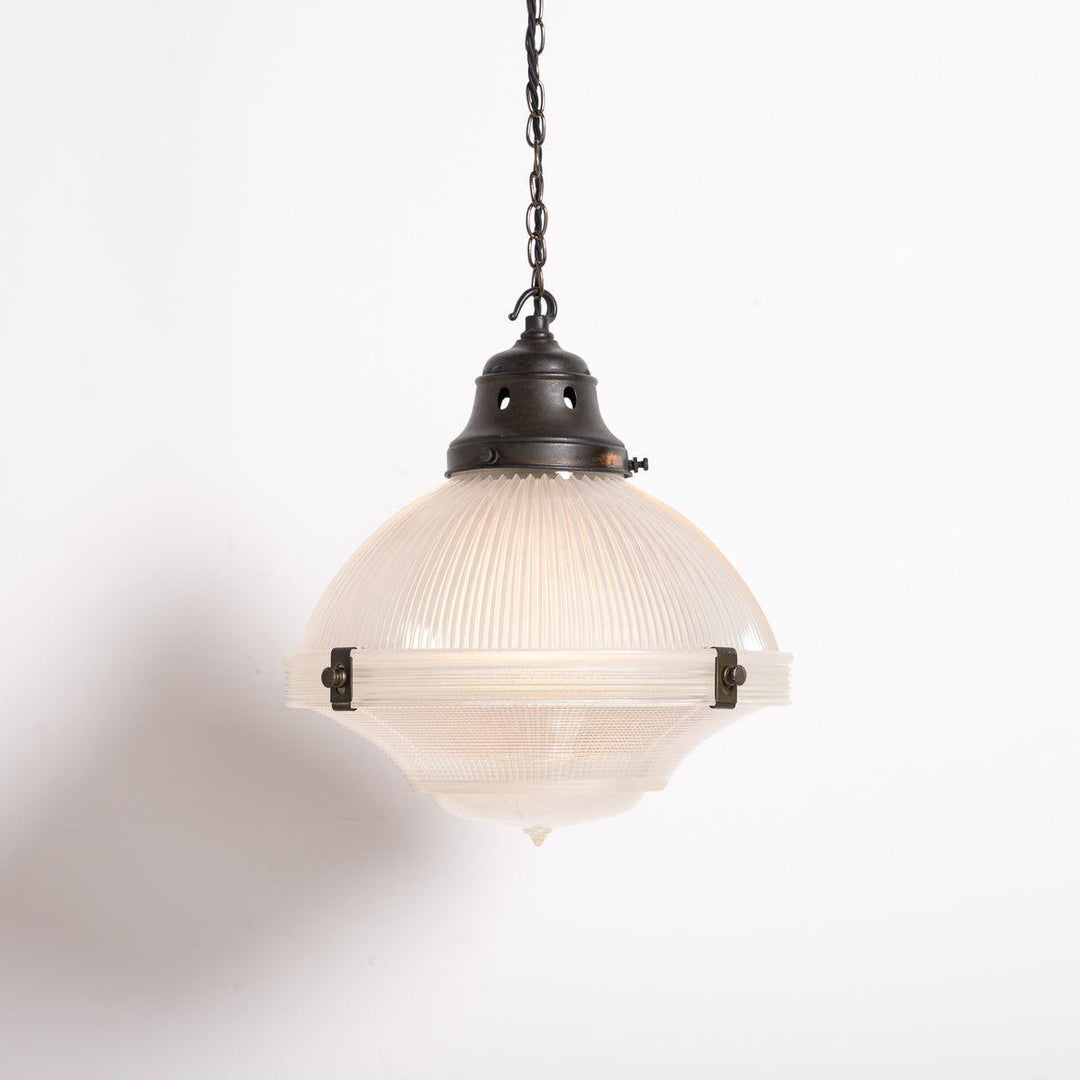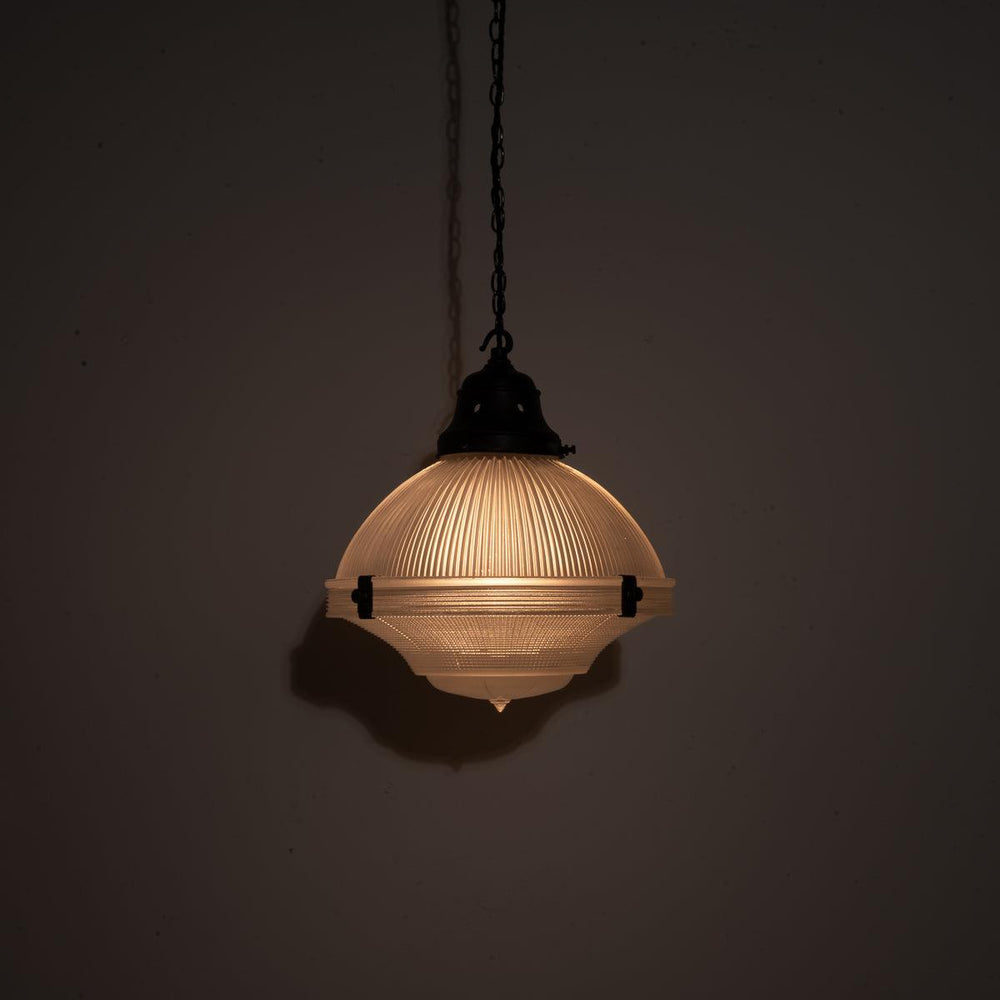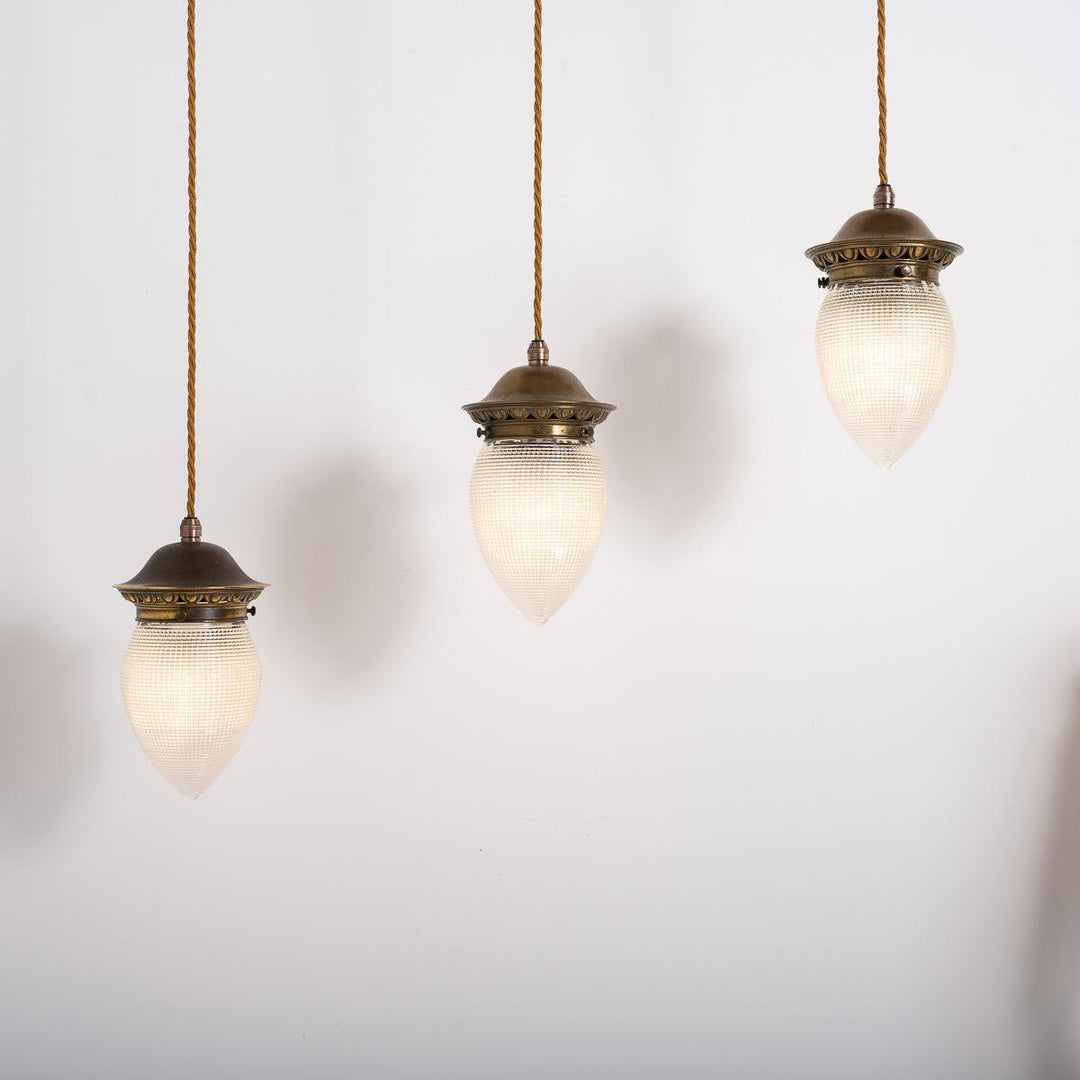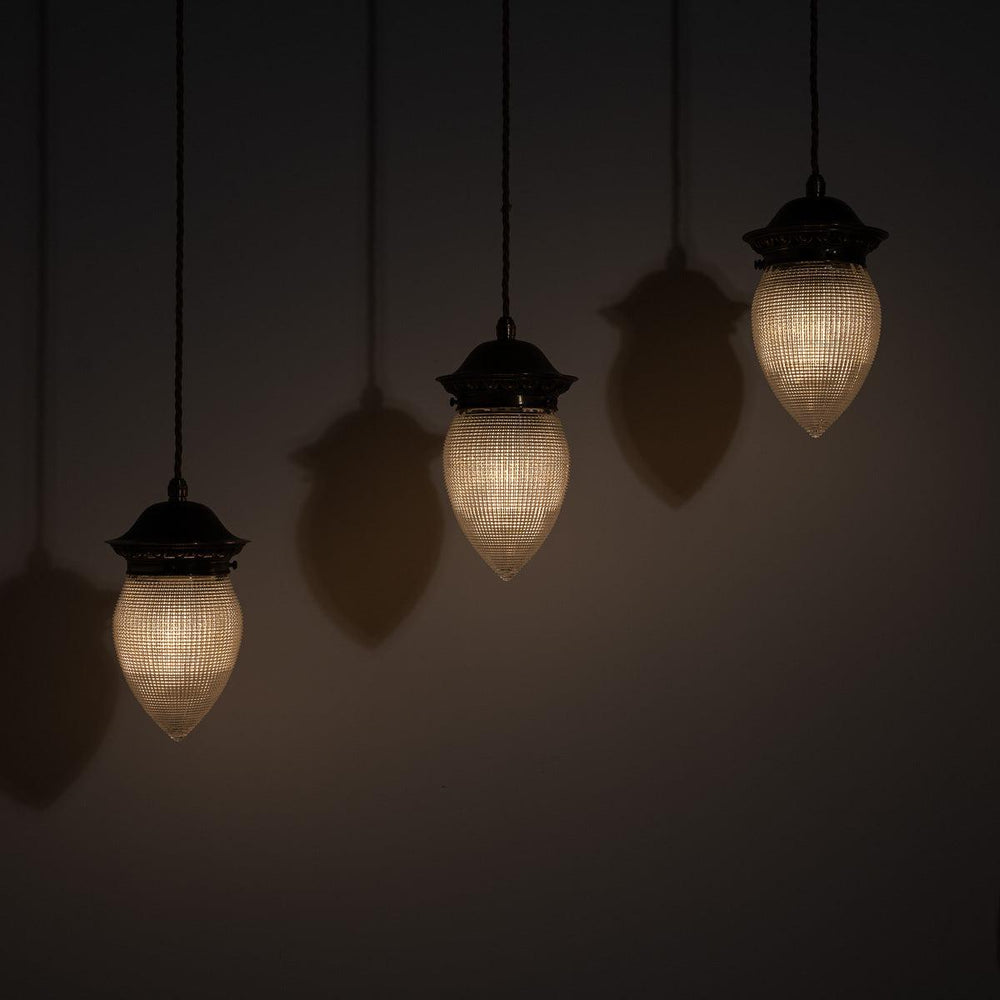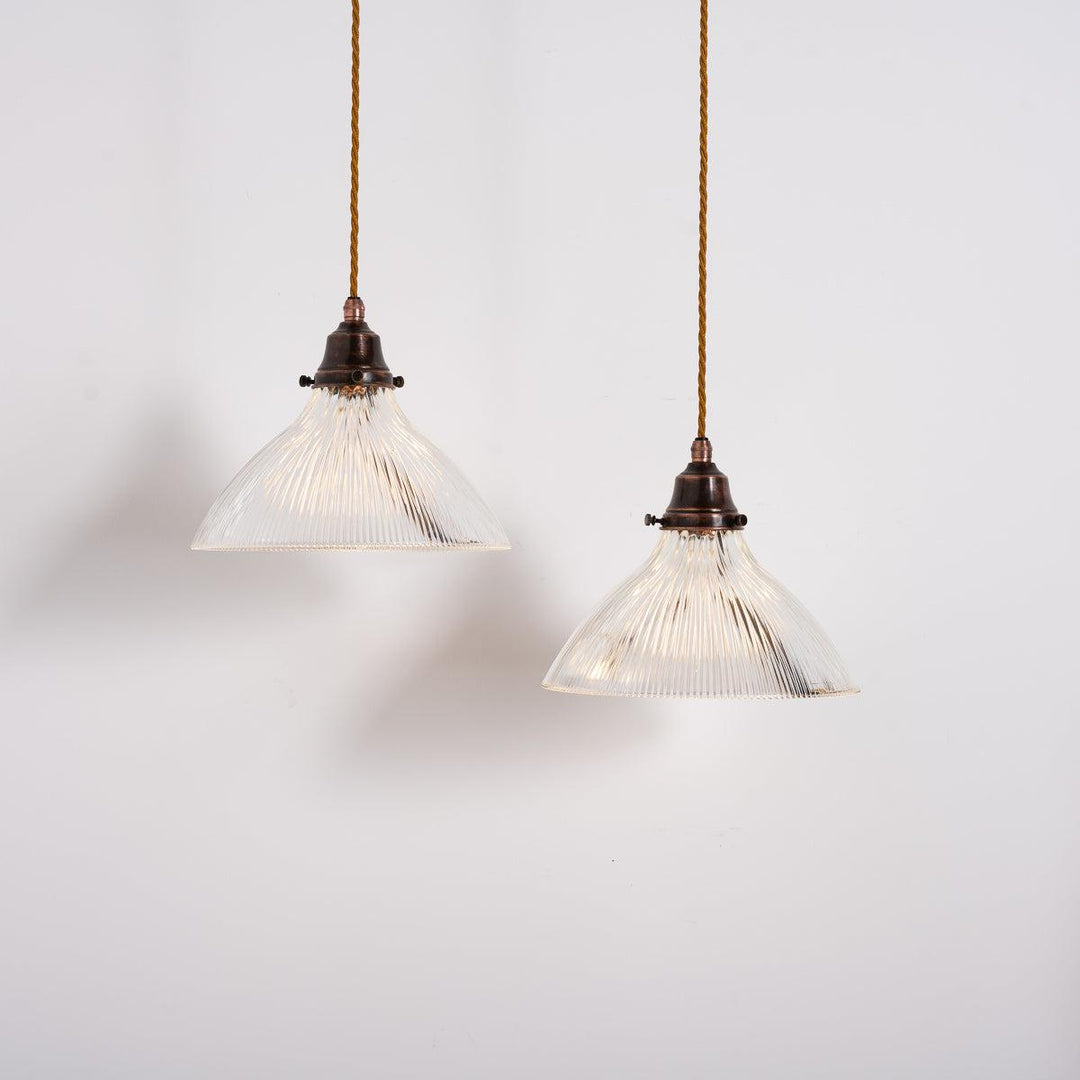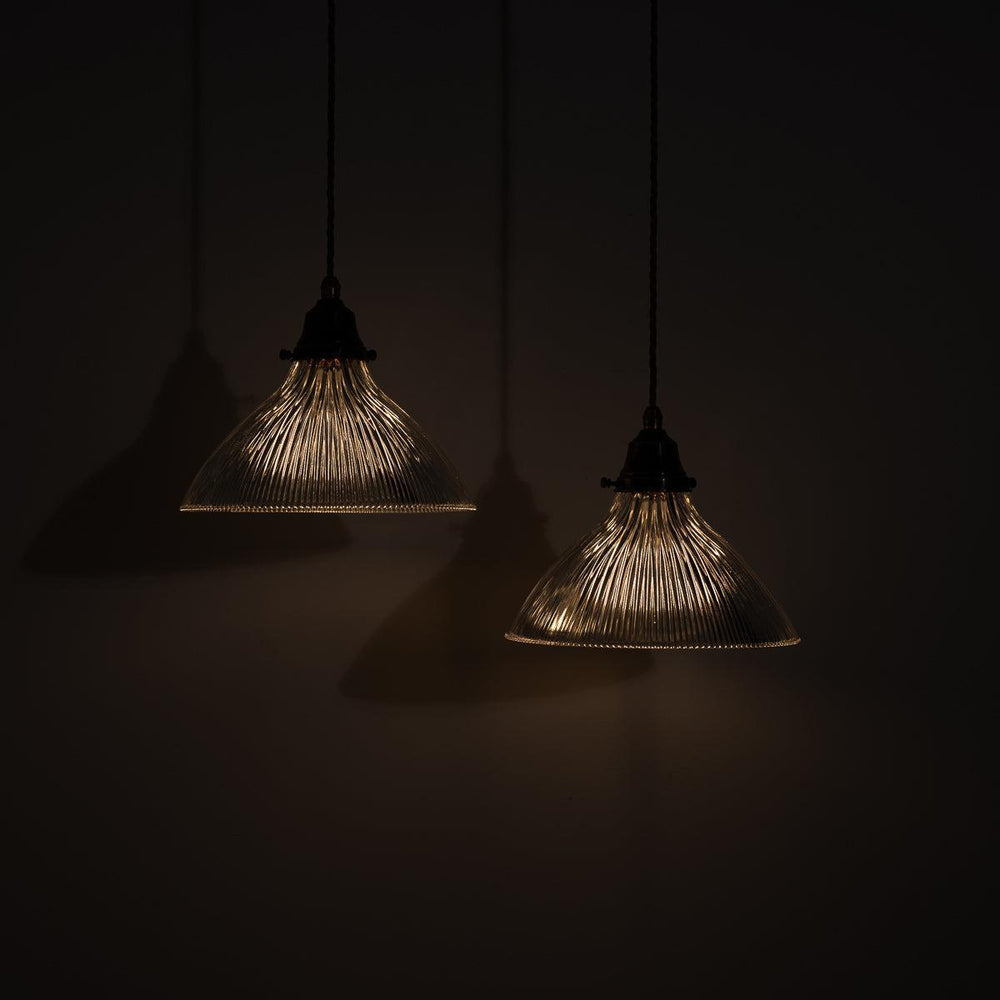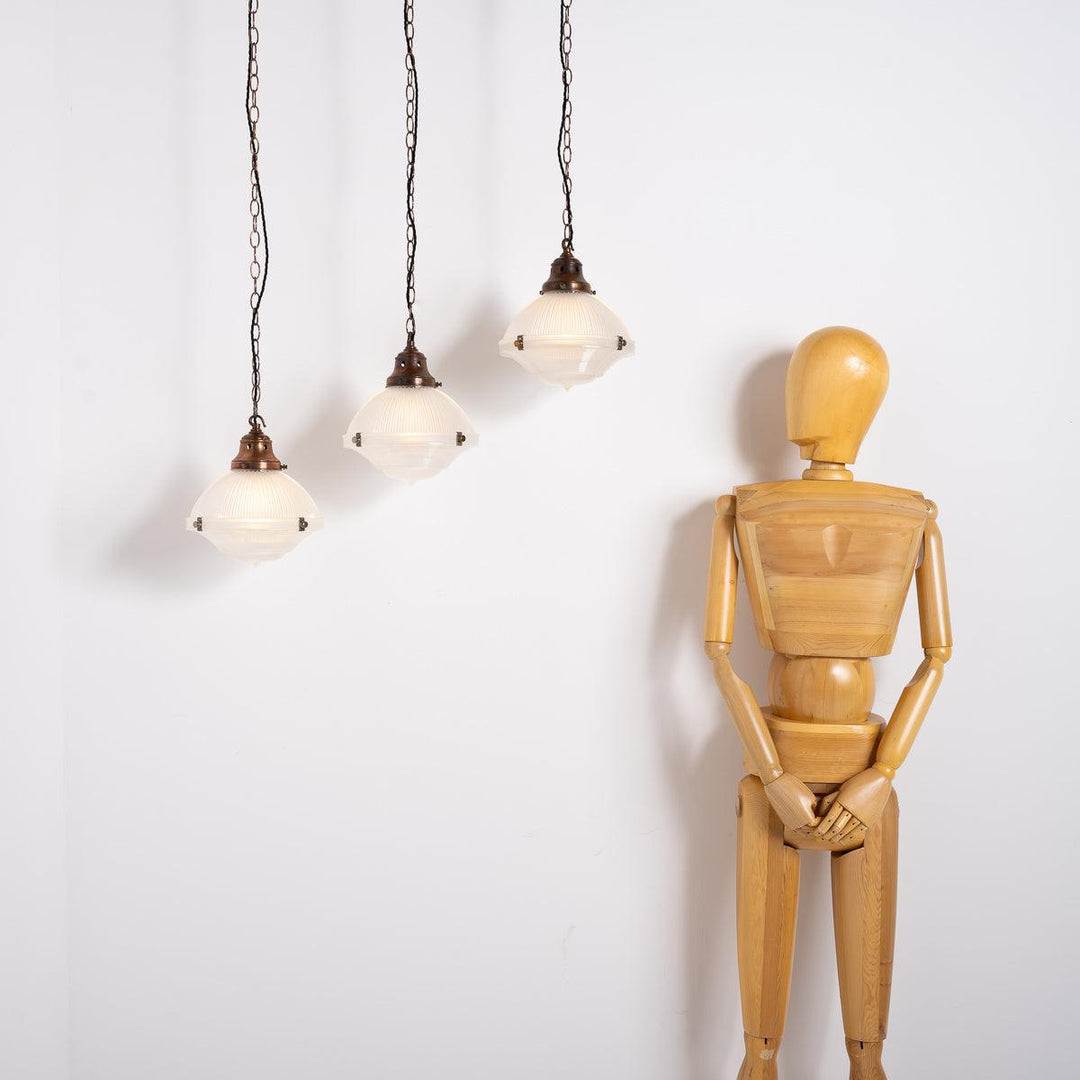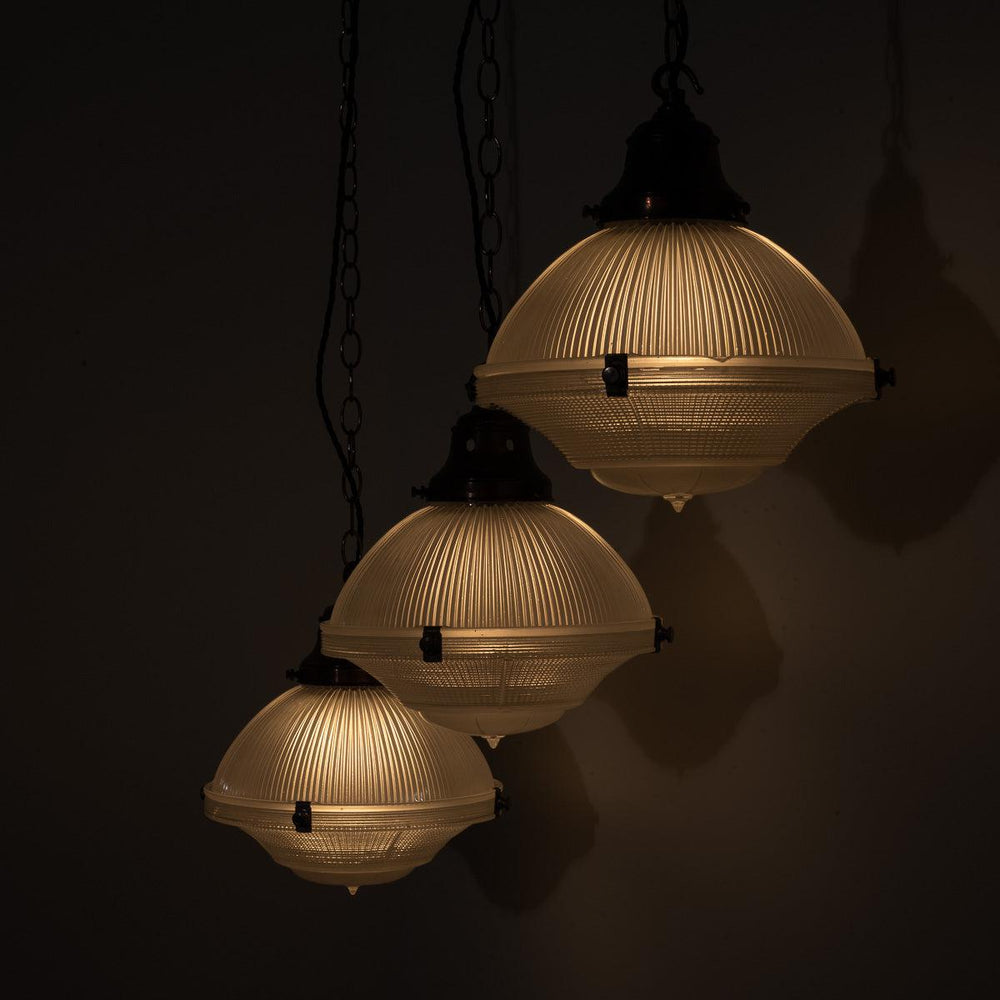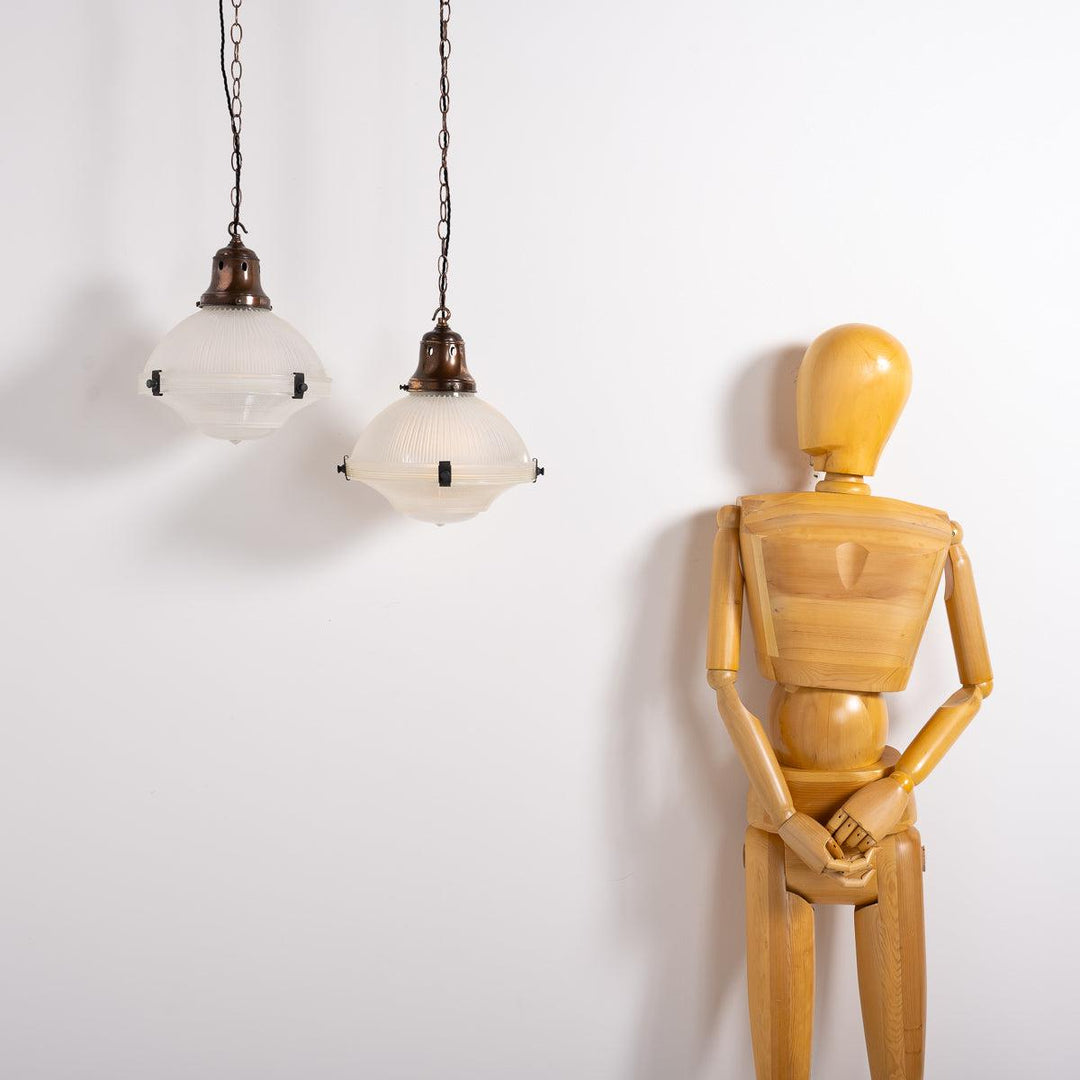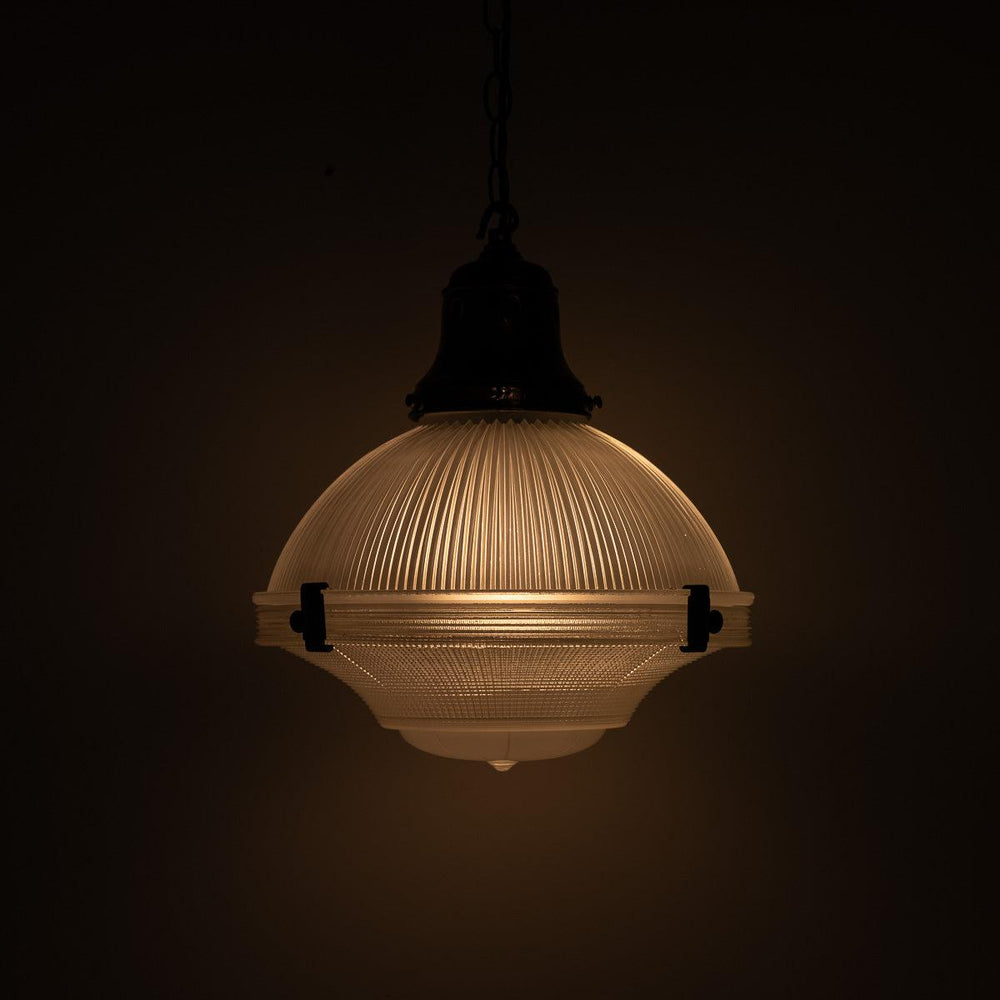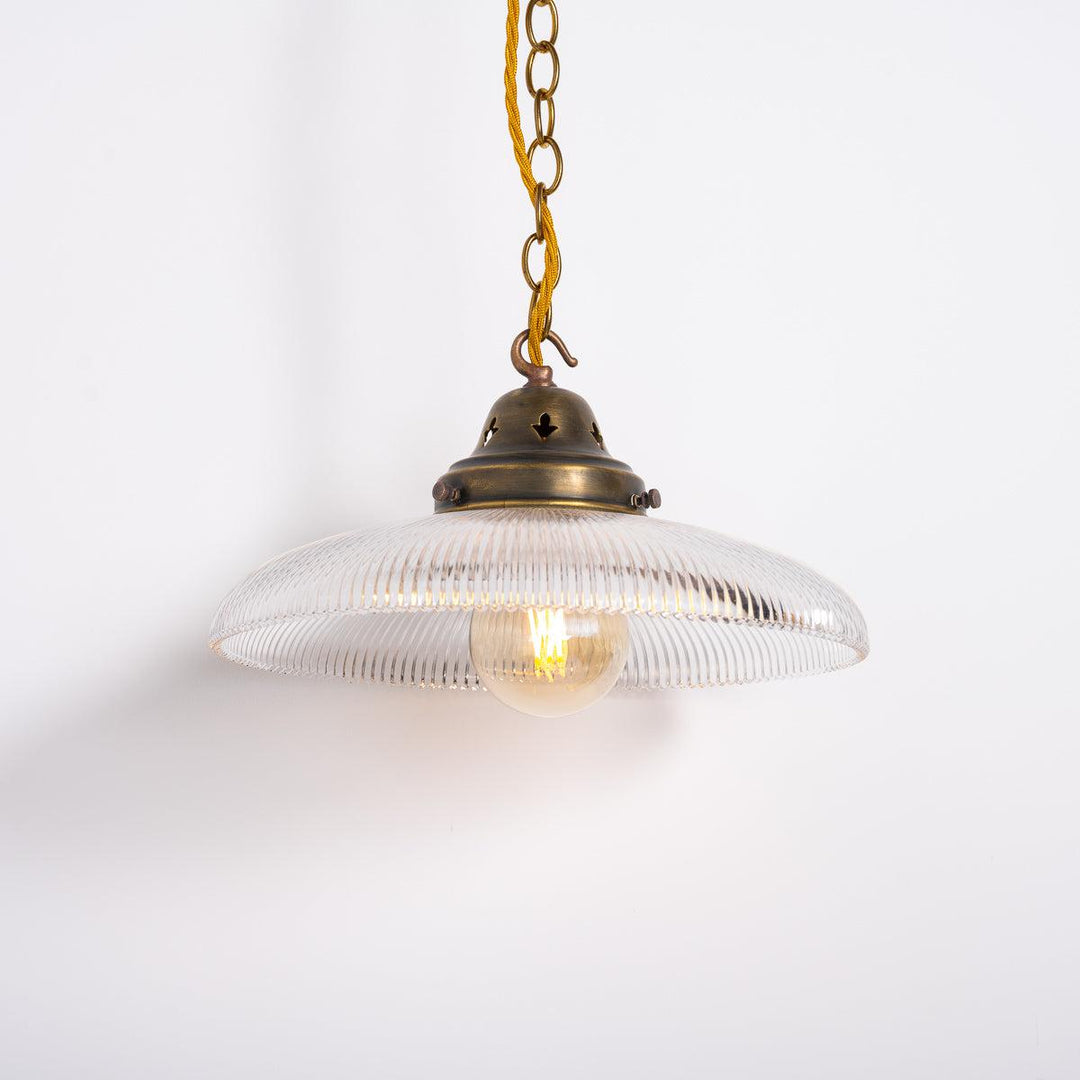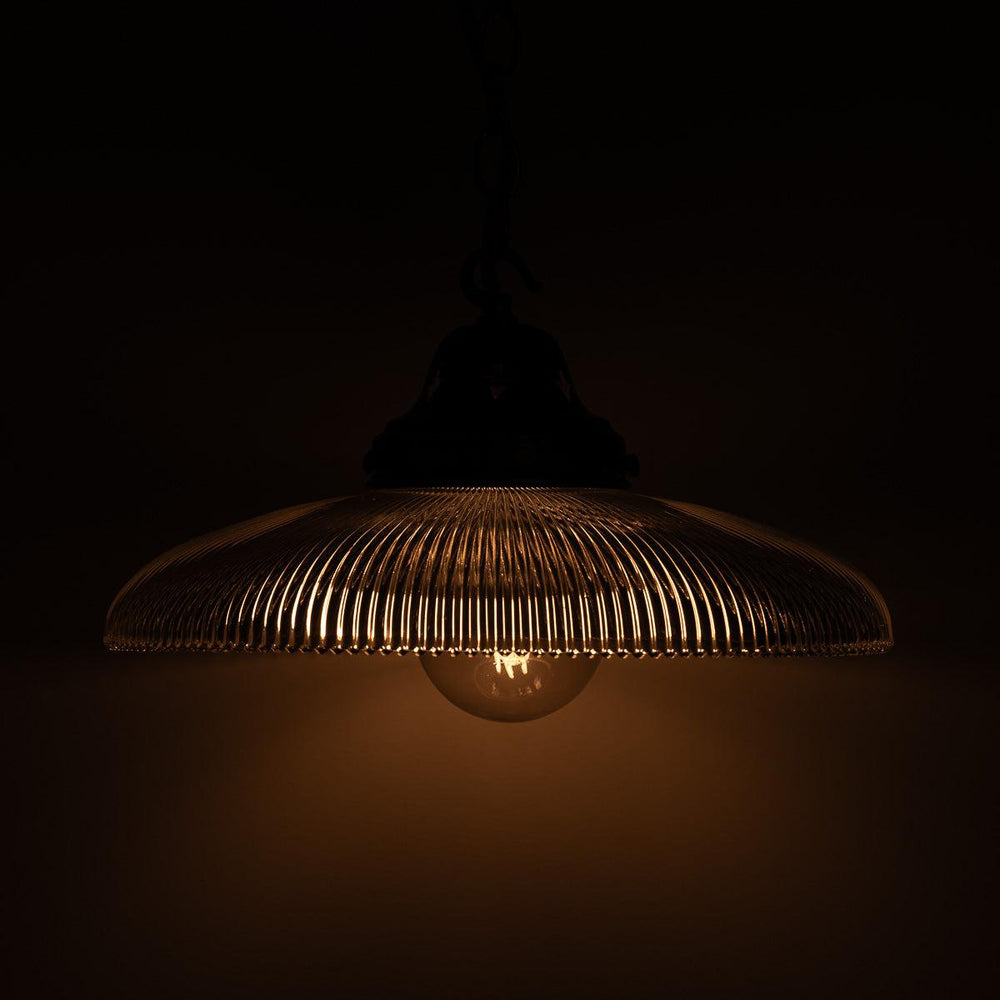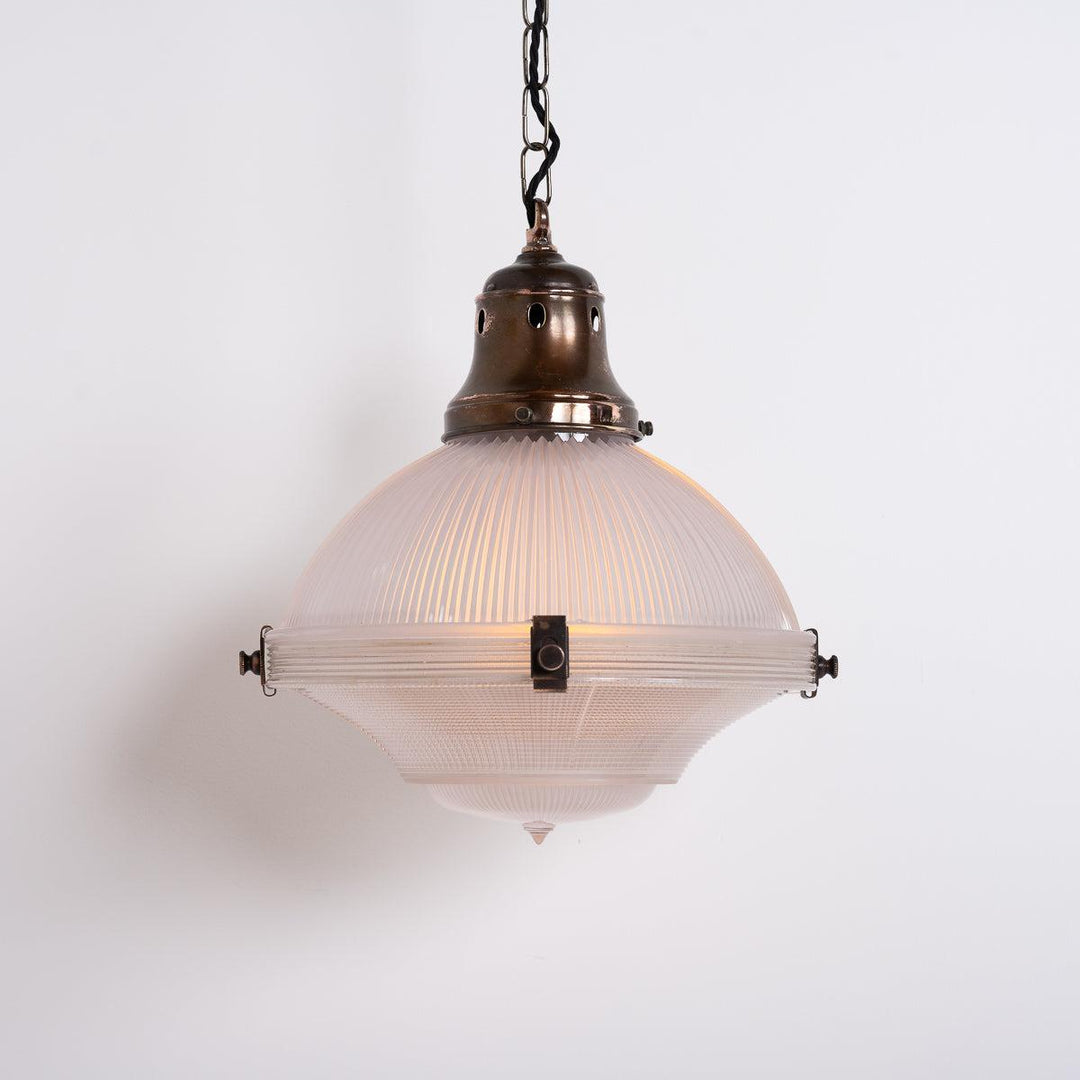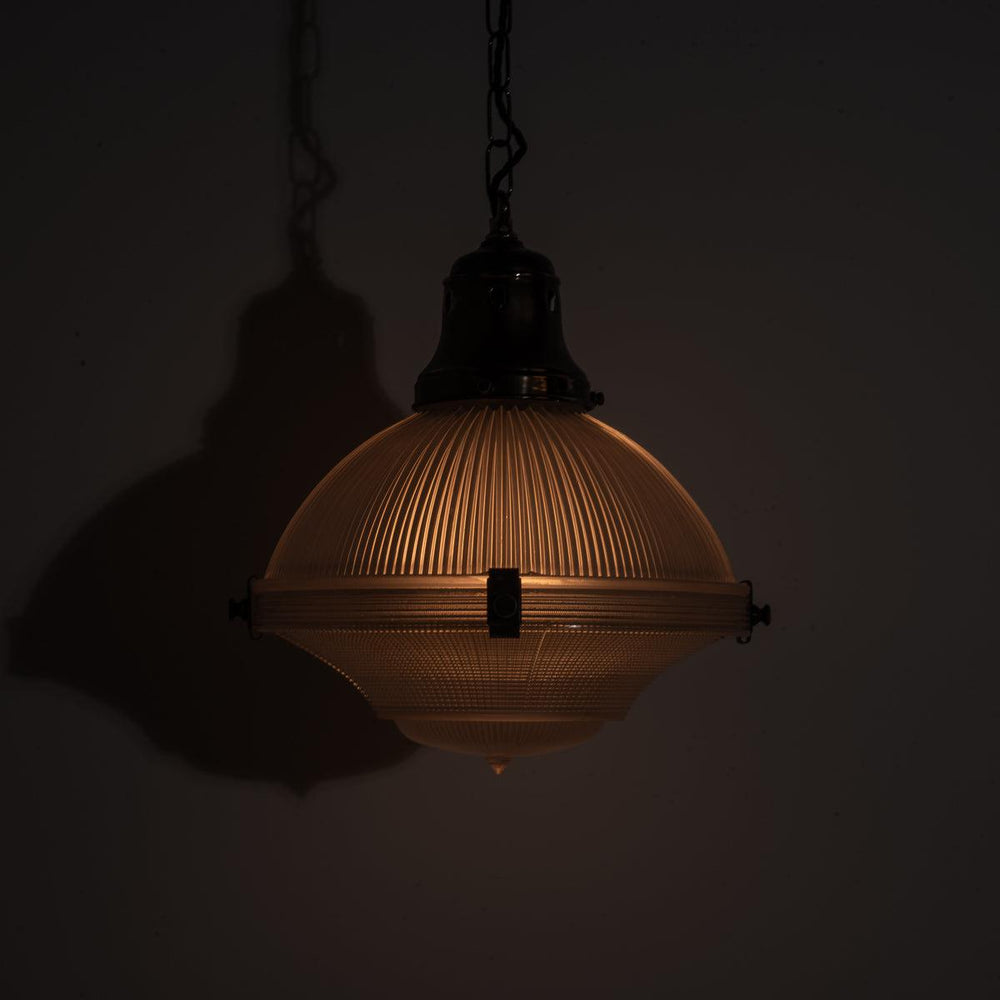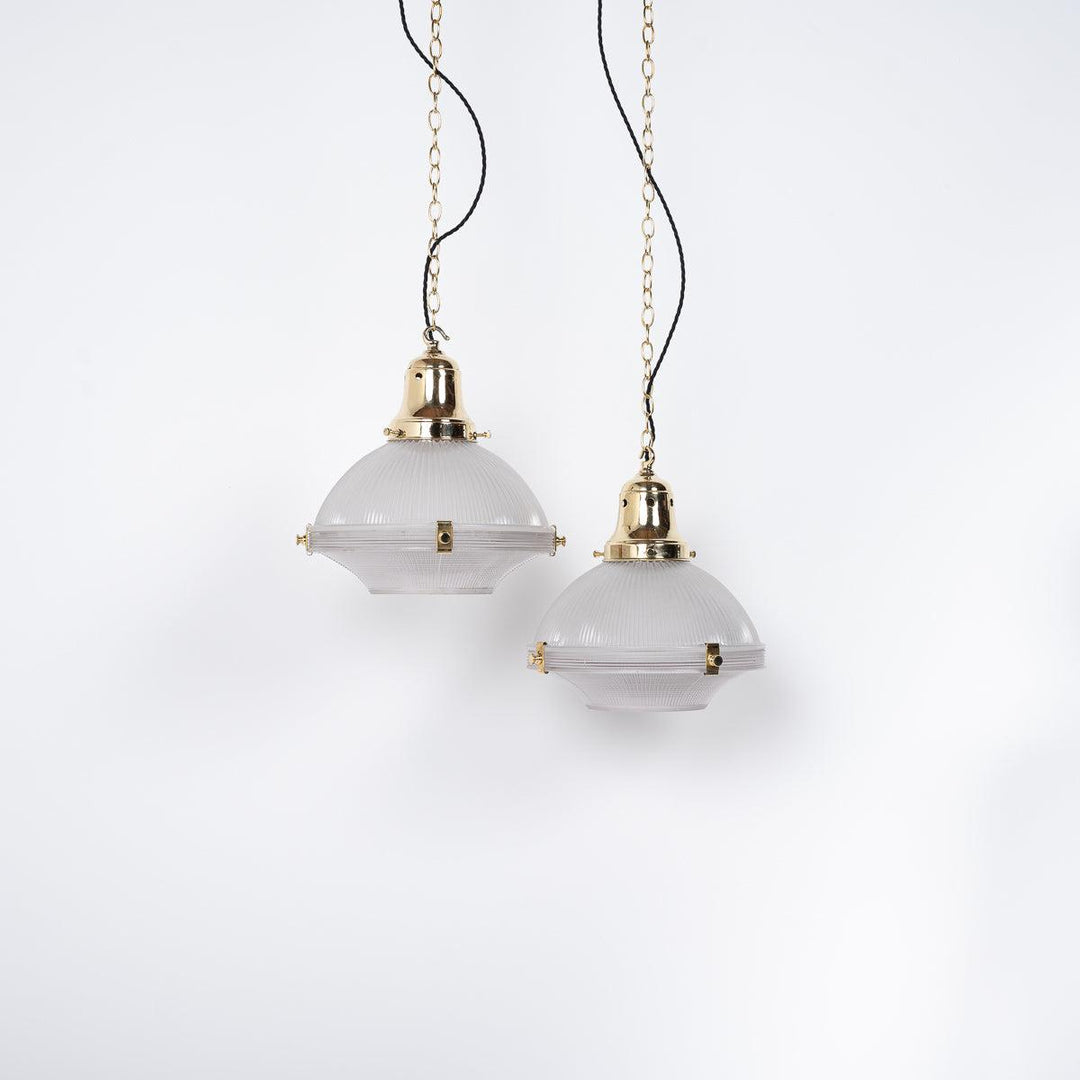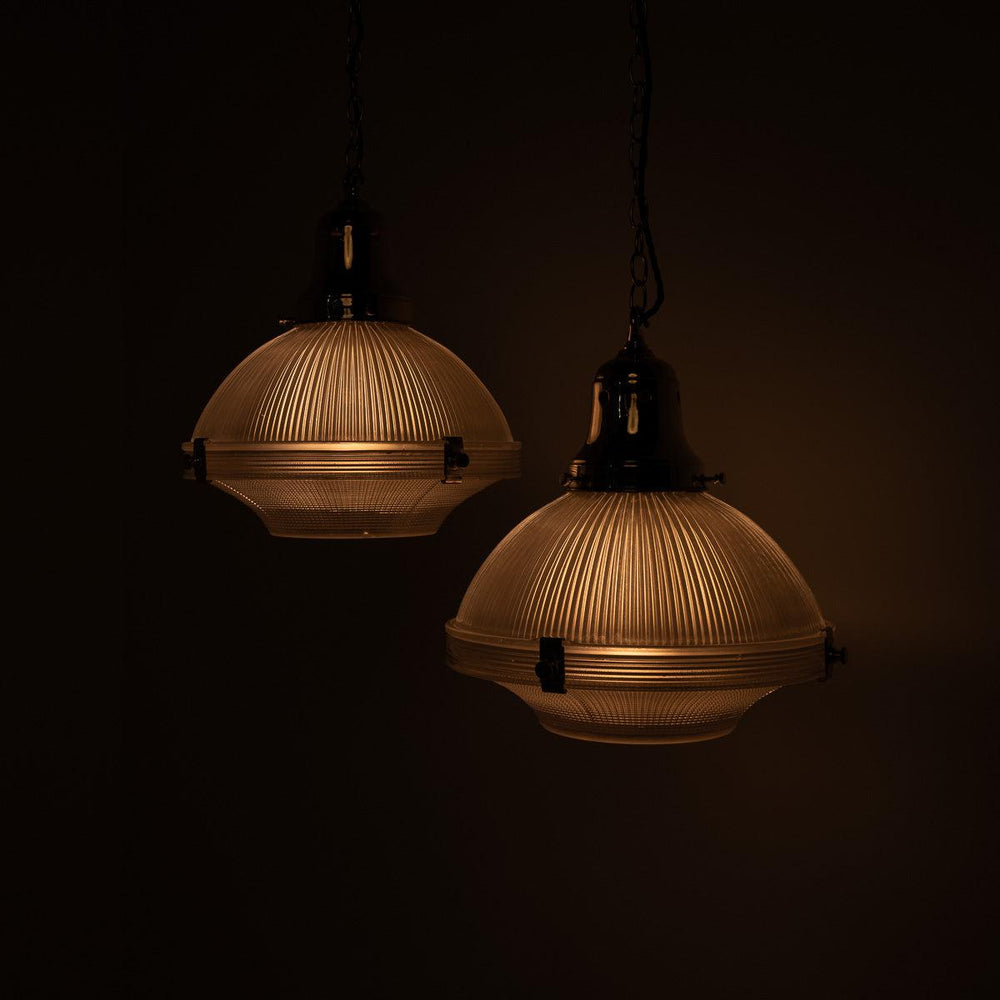




Holophane Lighting
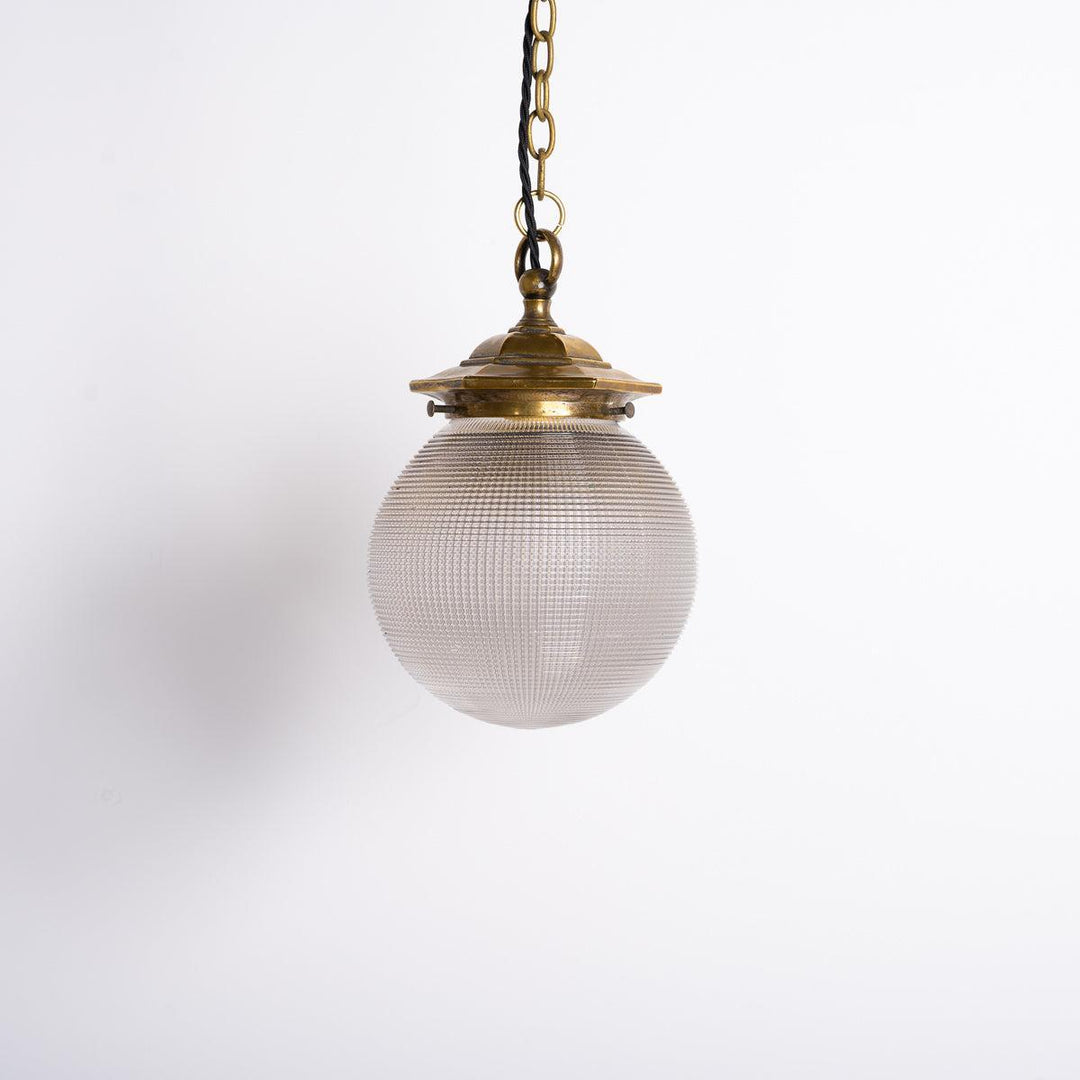
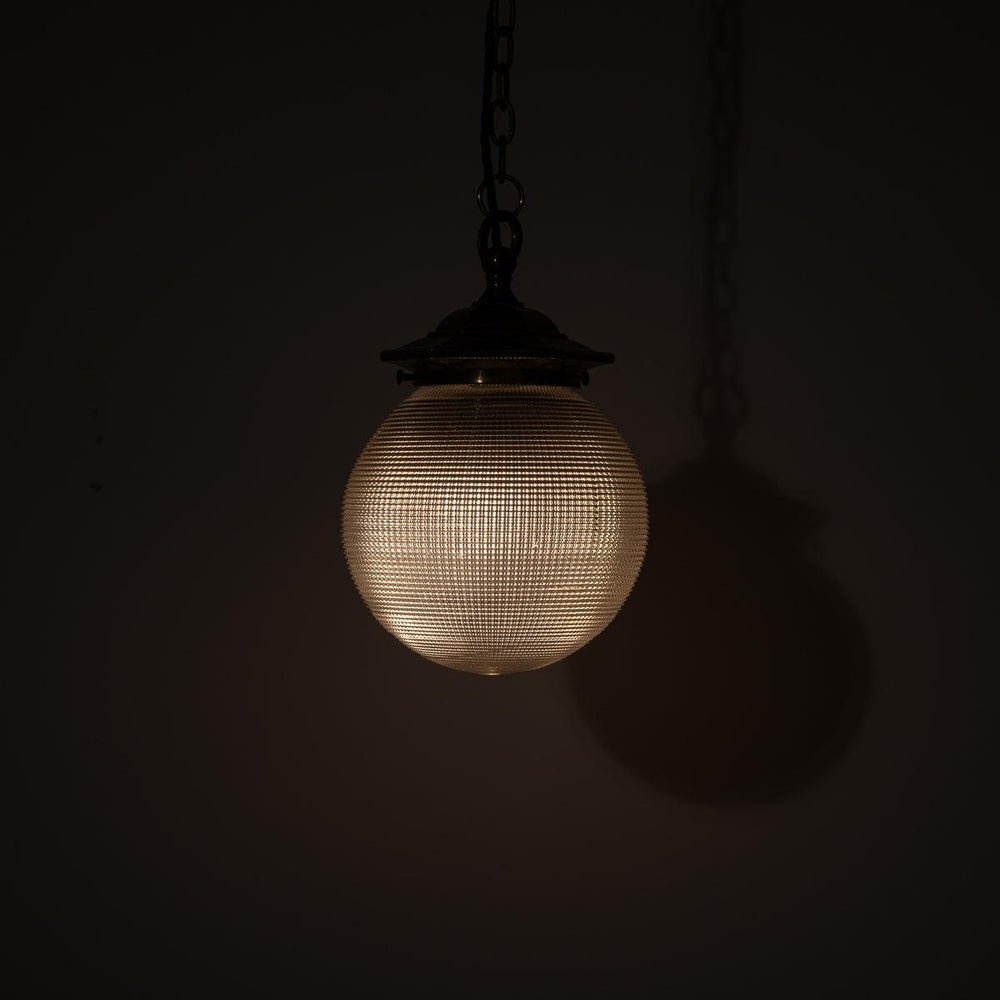
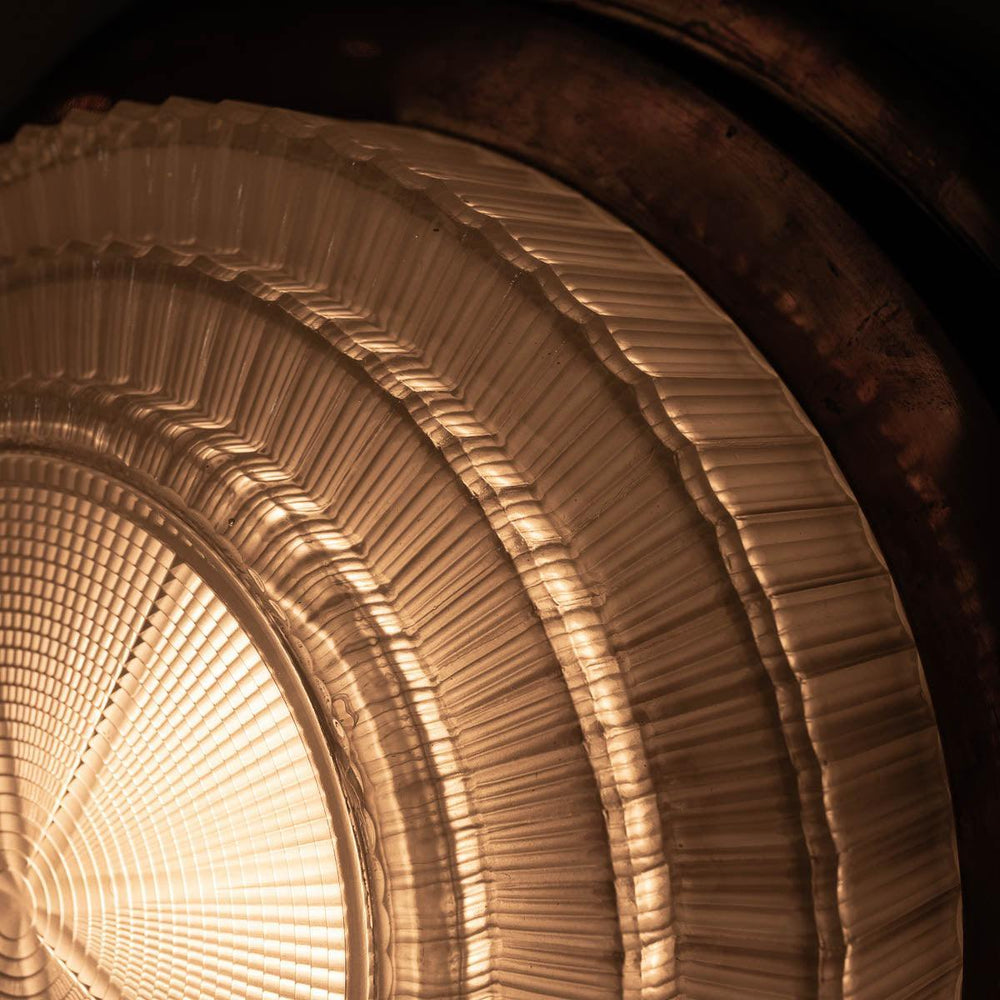
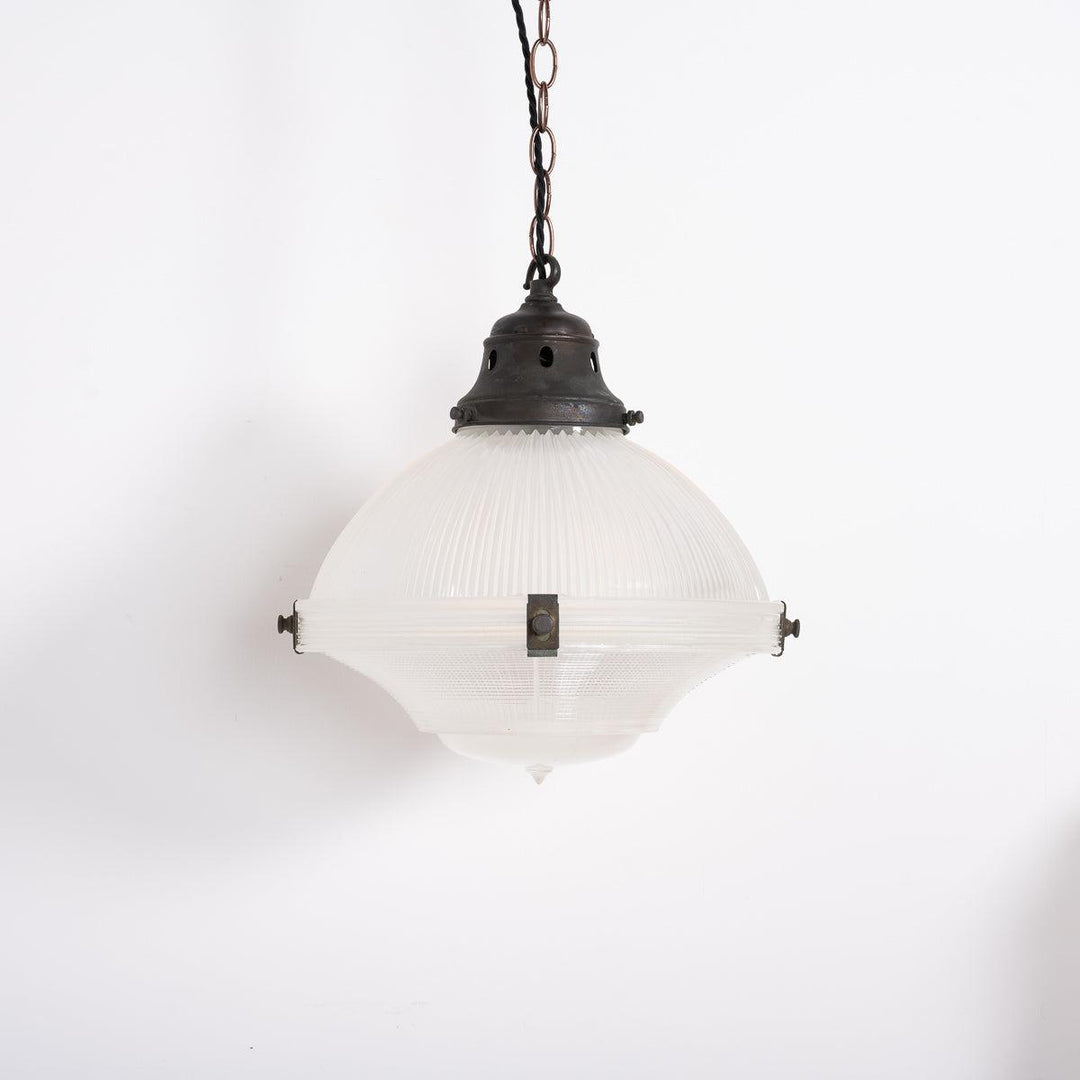
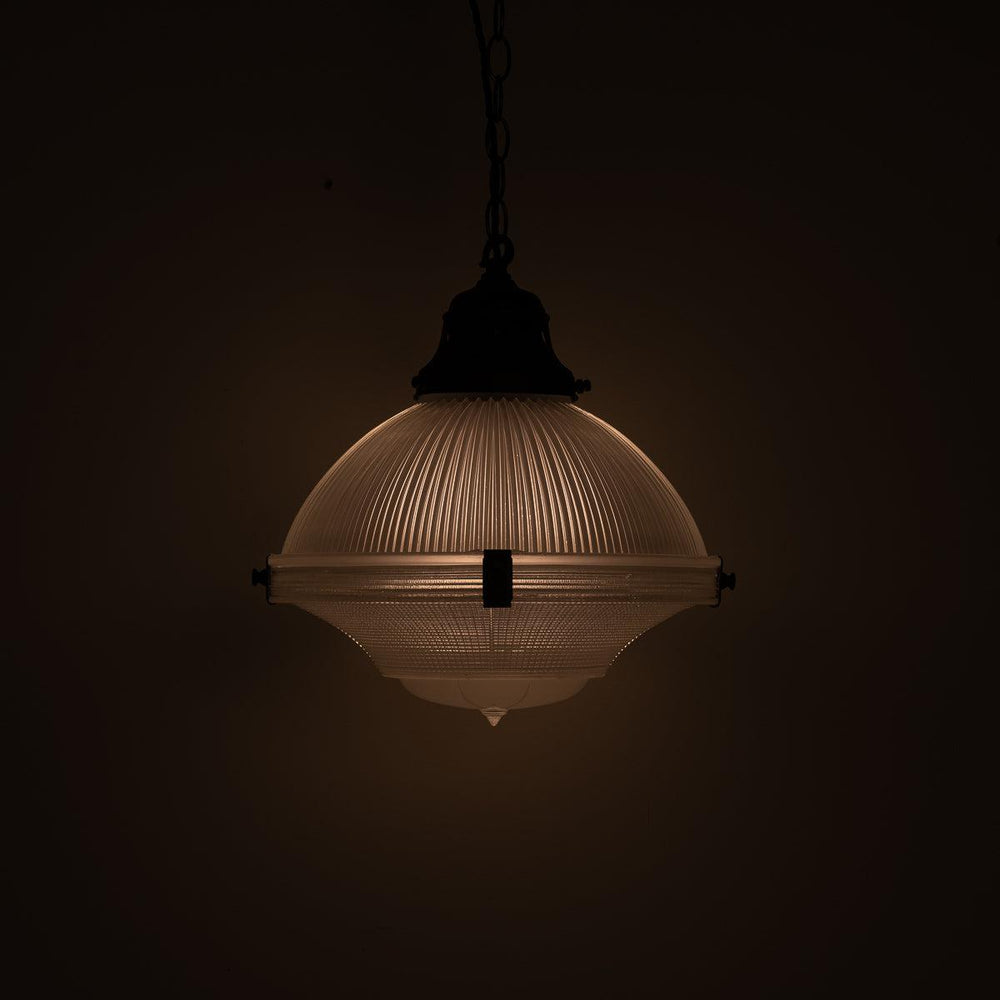
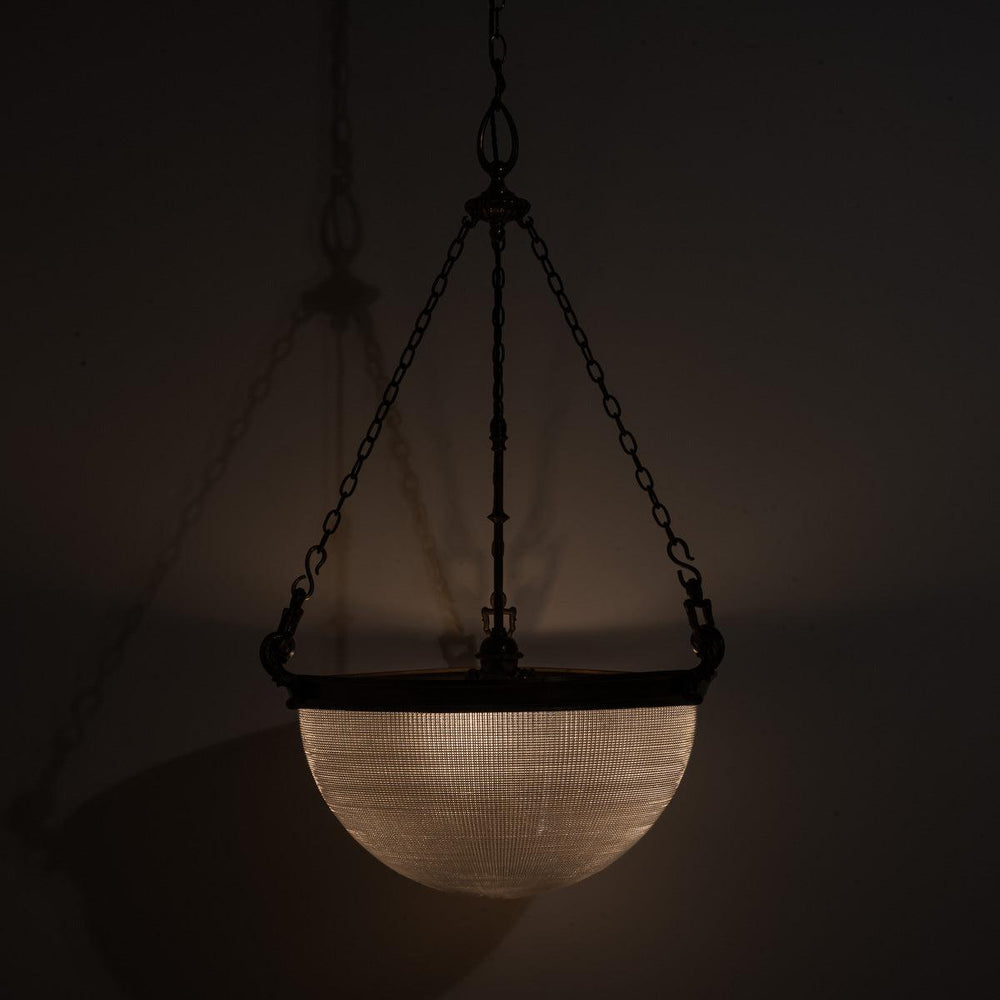
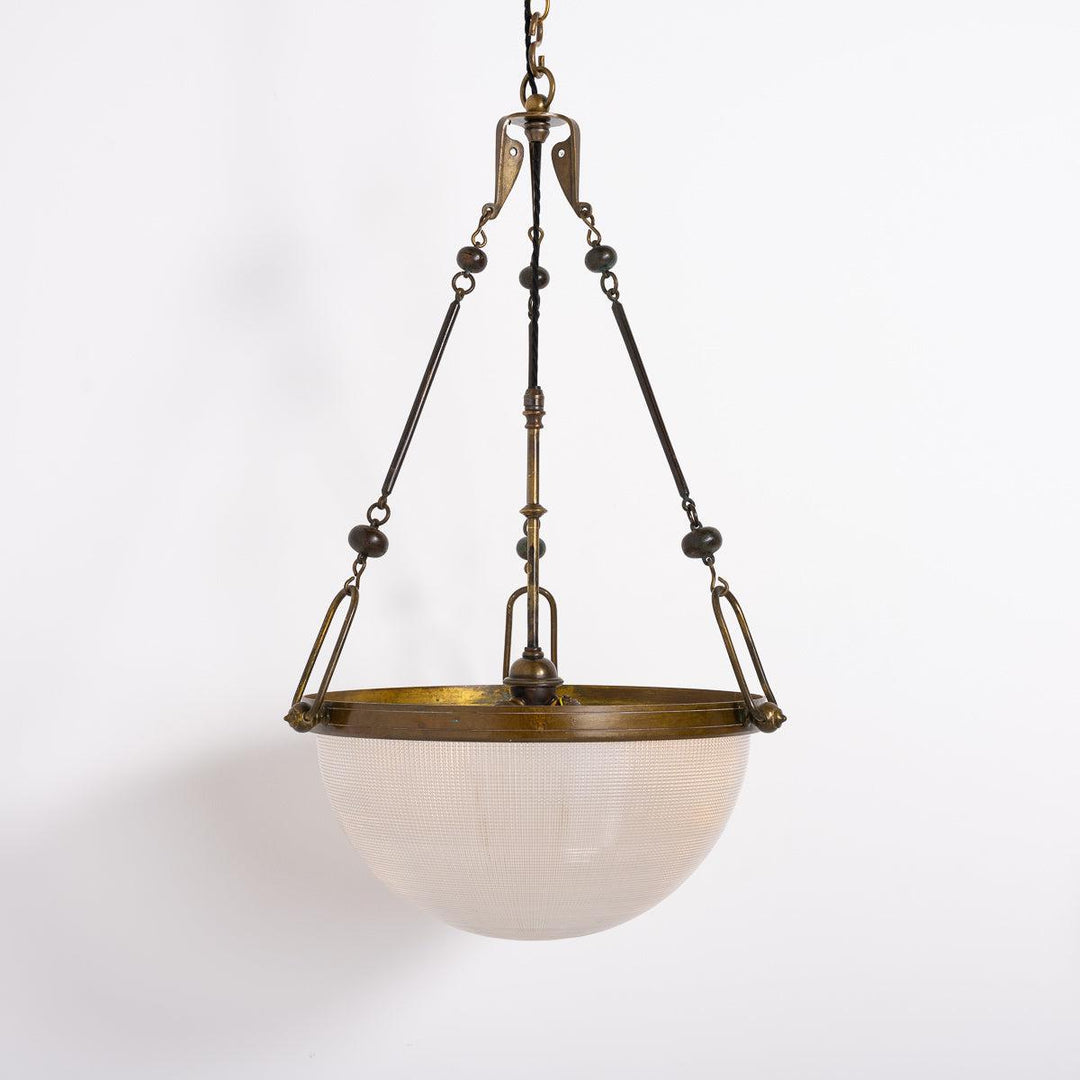
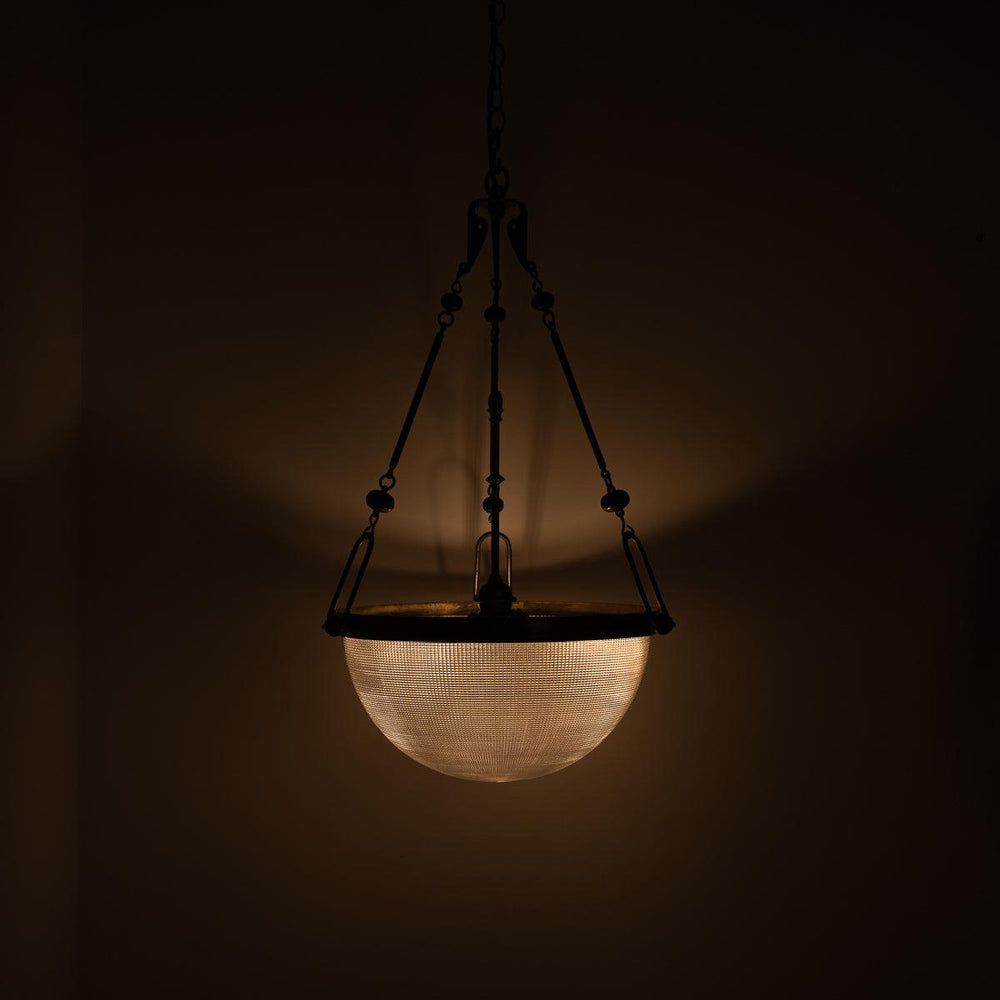
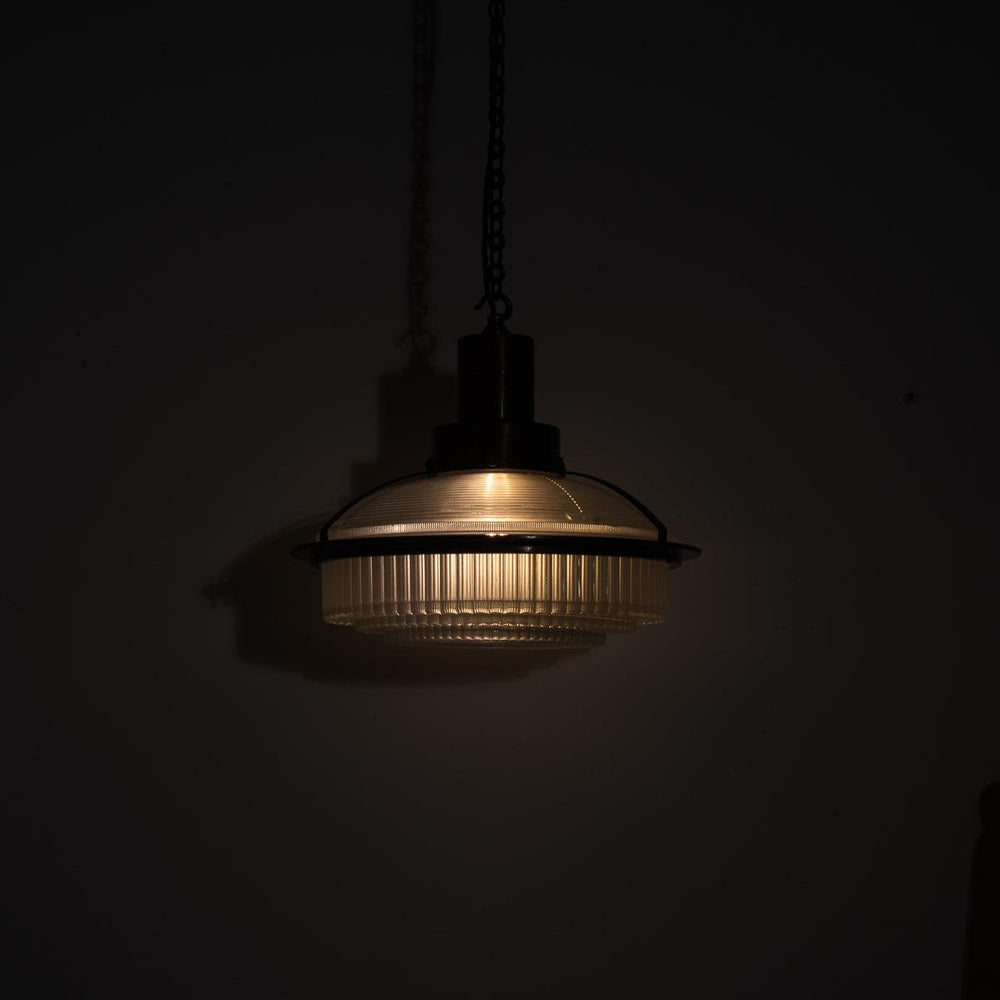
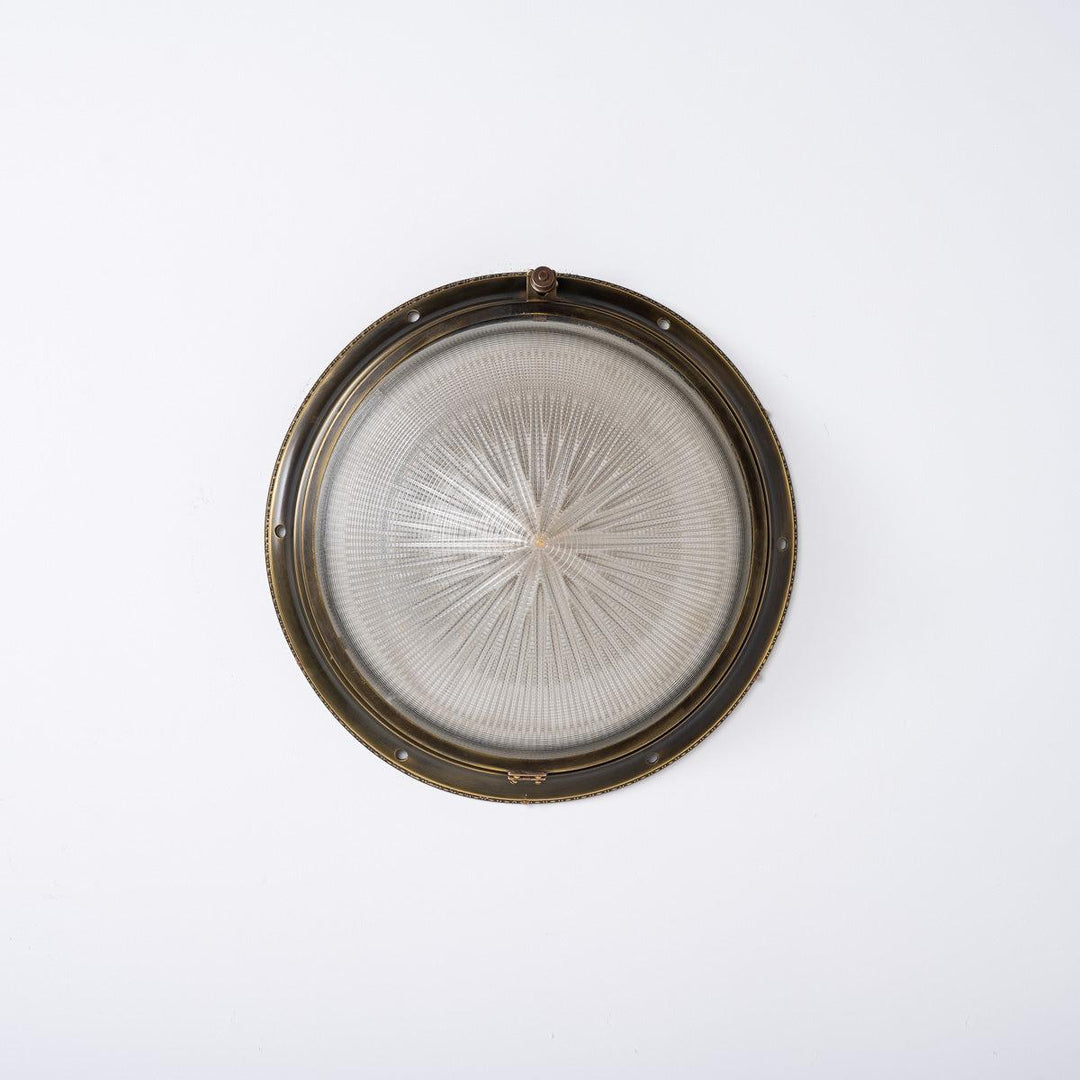
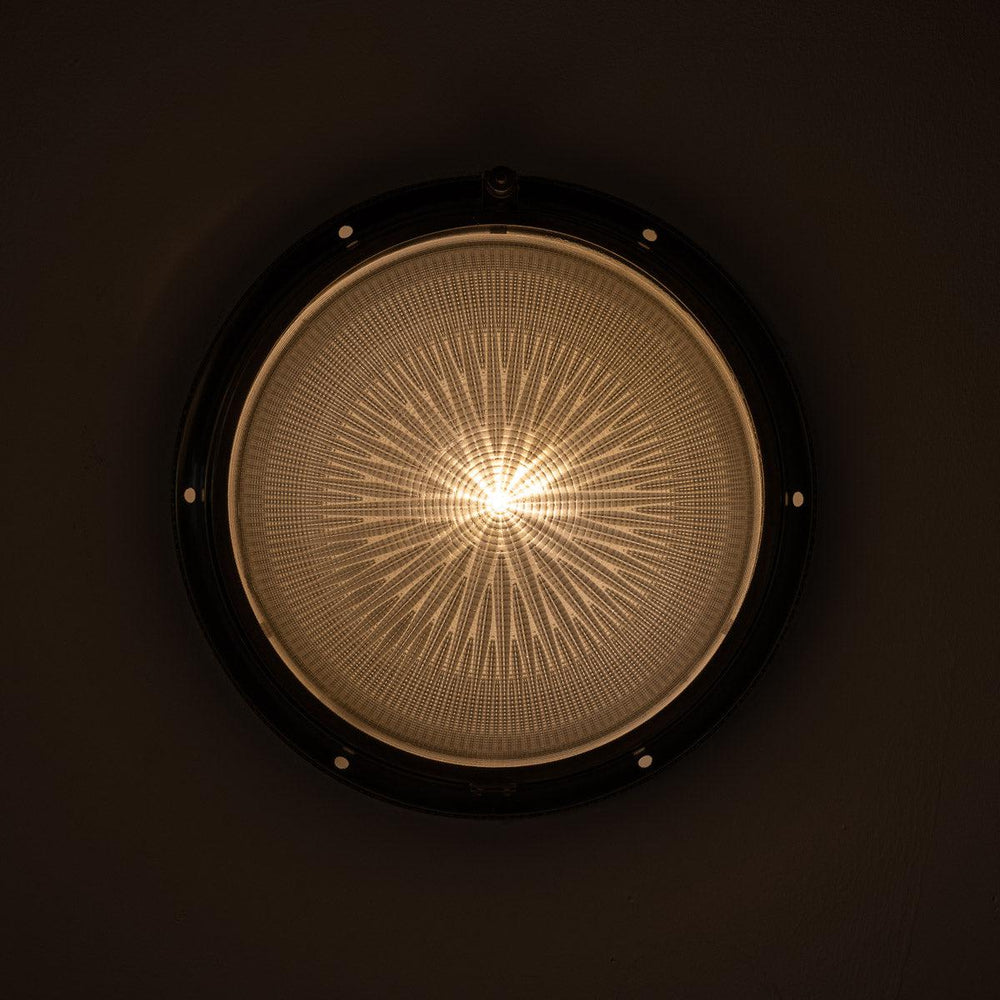
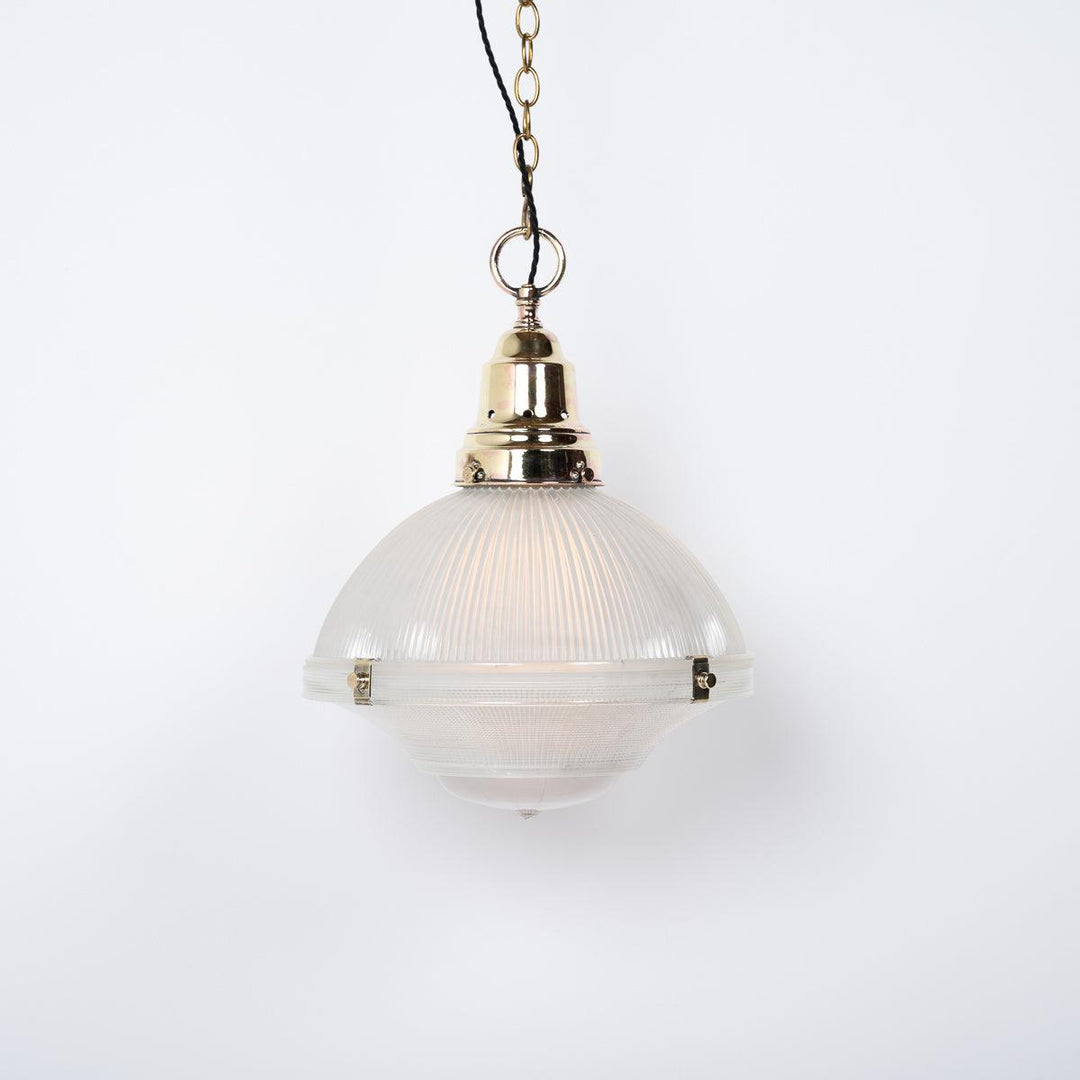
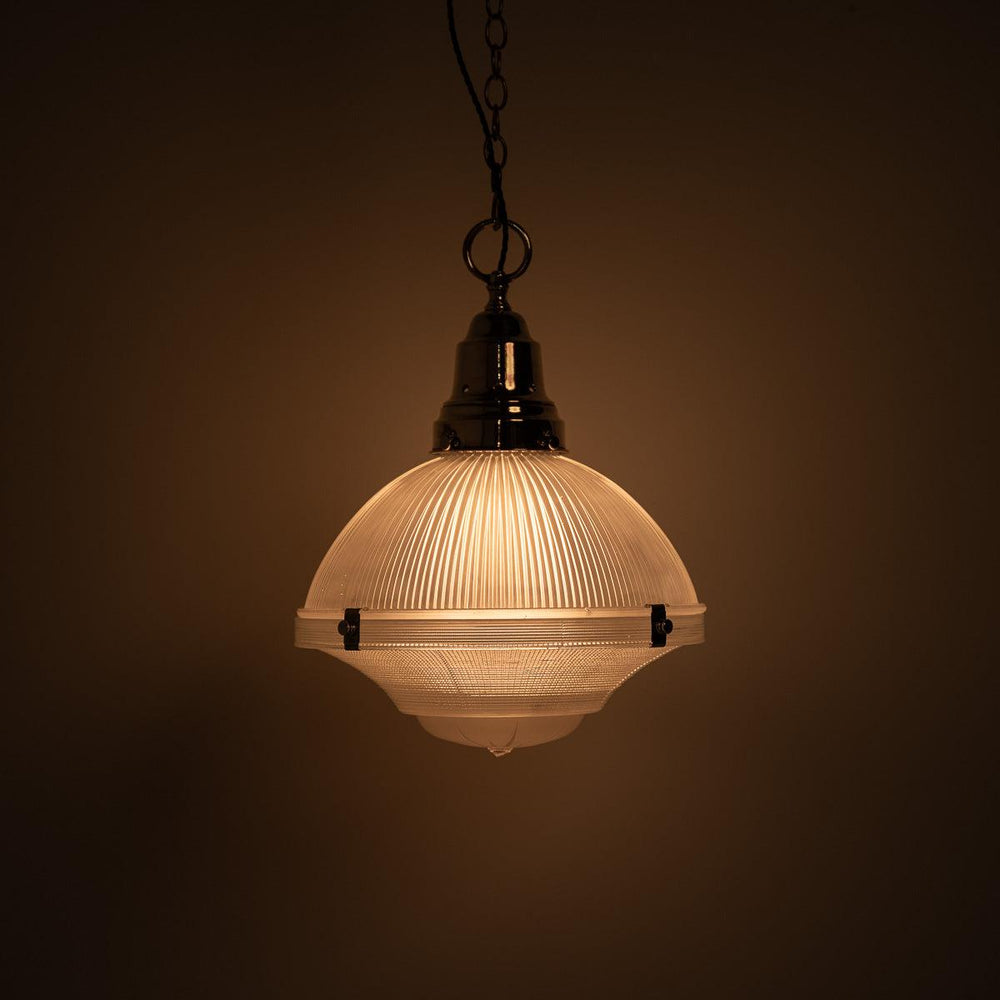
Holophane glass controls light by refraction. Prisms moulded into the glass bend the light from the lamp downward and outward, spreading it evenly and cutting glare. The principle was developed in the early 1890s by the French engineer André Blondel and the Greek engineer Spiridion Psaroudaki. The name comes from the Greek holos and phainein, "to appear wholly luminous".
The British company, Holophane Ltd, was established in London in 1896. From that year its glass was pressed by George Davidson & Co at the Teams Glass Works, Gateshead, the start of a long association between the two firms. An American company, the Holophane Glass Company, was incorporated in New York in 1898, with its works later at Newark, Ohio. A separate French company also traded under the name. The three shared patents and the Holophane name but made their glass in different places.
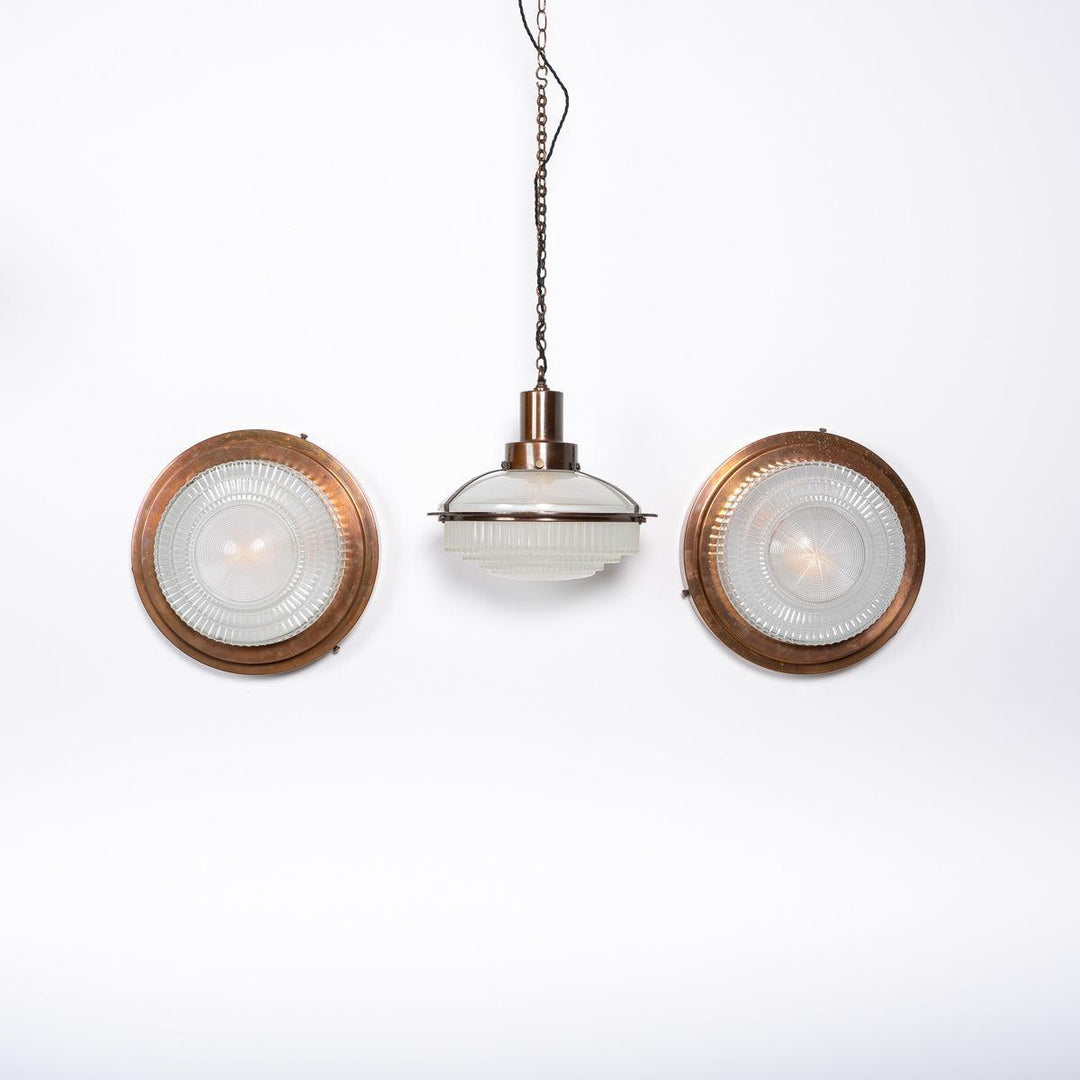
By 1936 Holophane Ltd was trading from Elverton Street, Vincent Square, Westminster. Its General Catalogue, List No. 500, offered glass for sale in the United Kingdom and Ireland only. The ranges included the Stiletto, Ripple-lite, Pagoda, Refractolite, Filterlite and Hedralite, with reflector-refractor units for industrial, church, hospital and street lighting. The company lit St Paul's Cathedral in 1923 and Westminster Abbey for the coronation of 1953. In 1967 it moved to a purpose-built factory in Milton Keynes, and it continues there today as Holophane Europe Ltd, part of Acuity Brands.
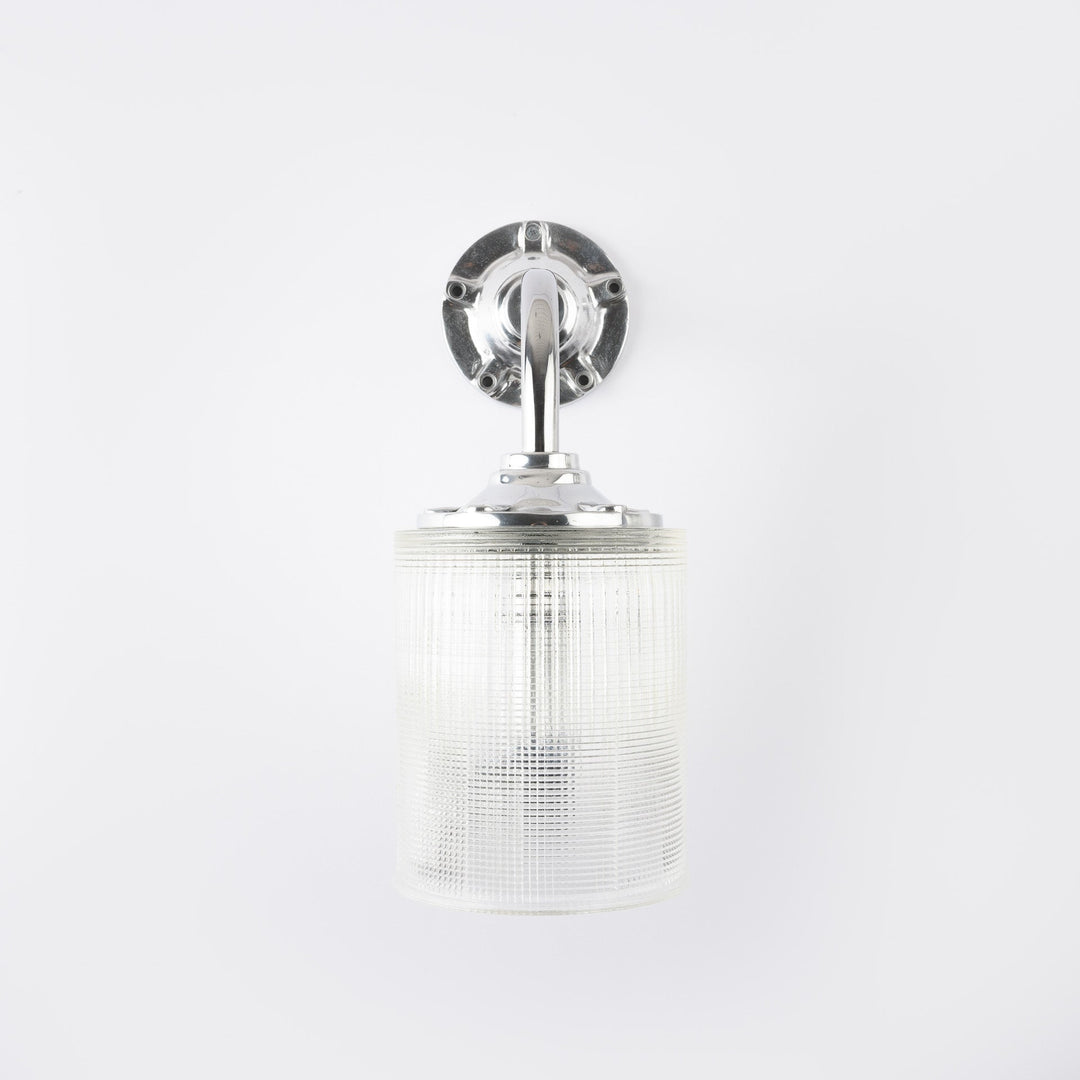
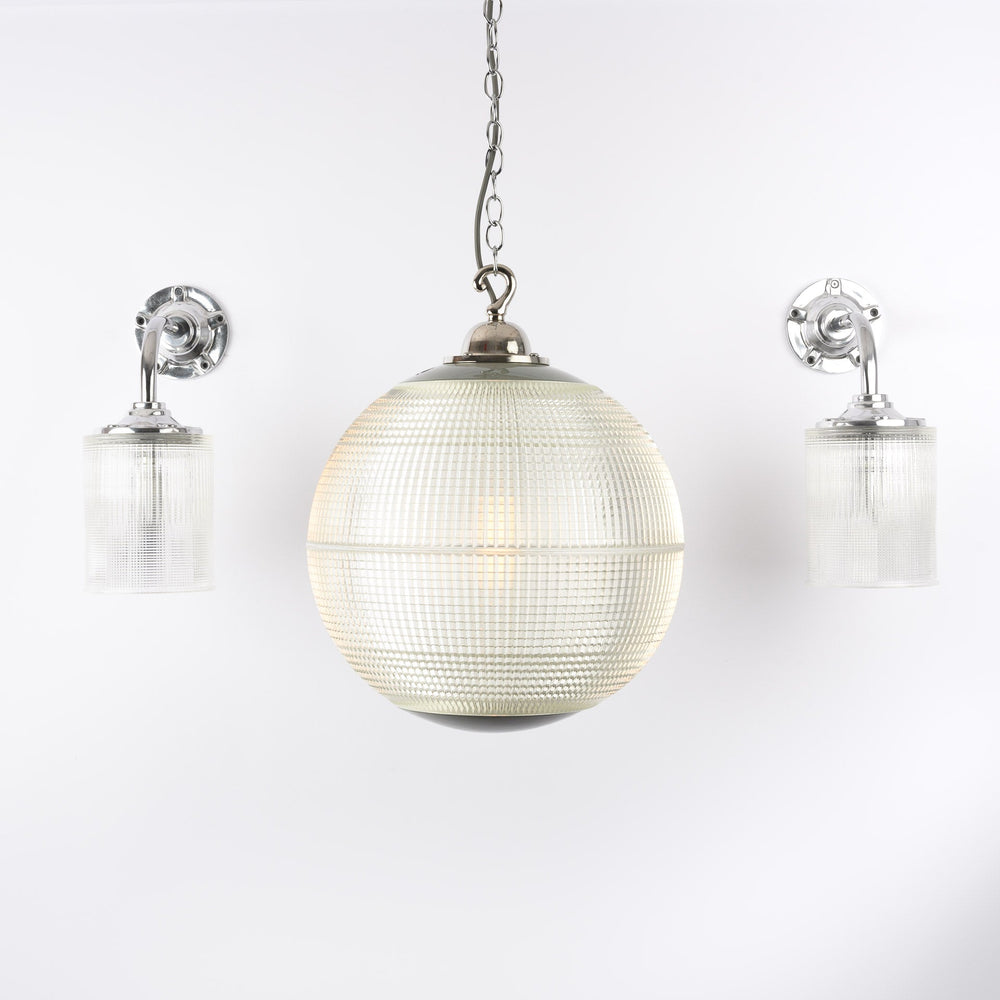
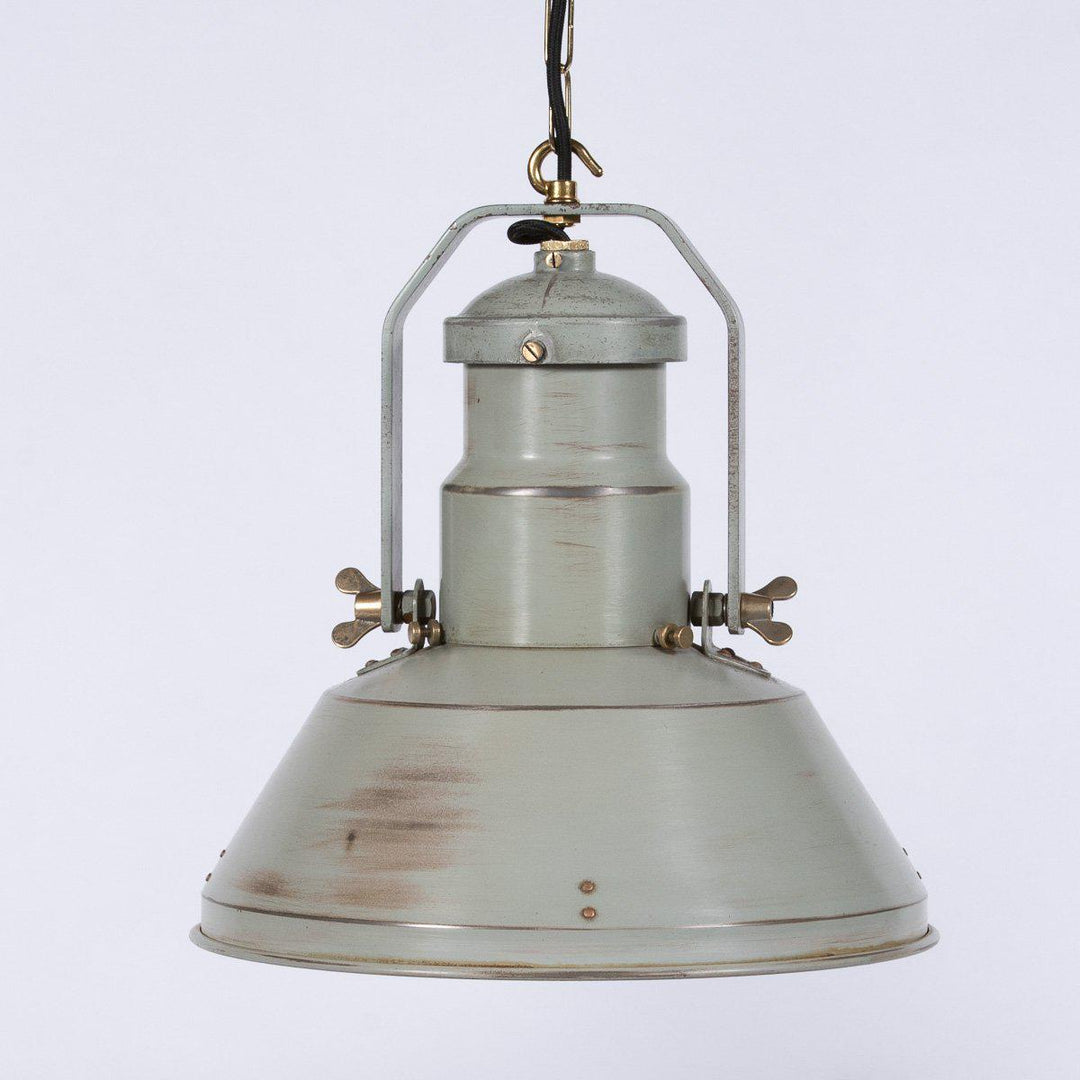
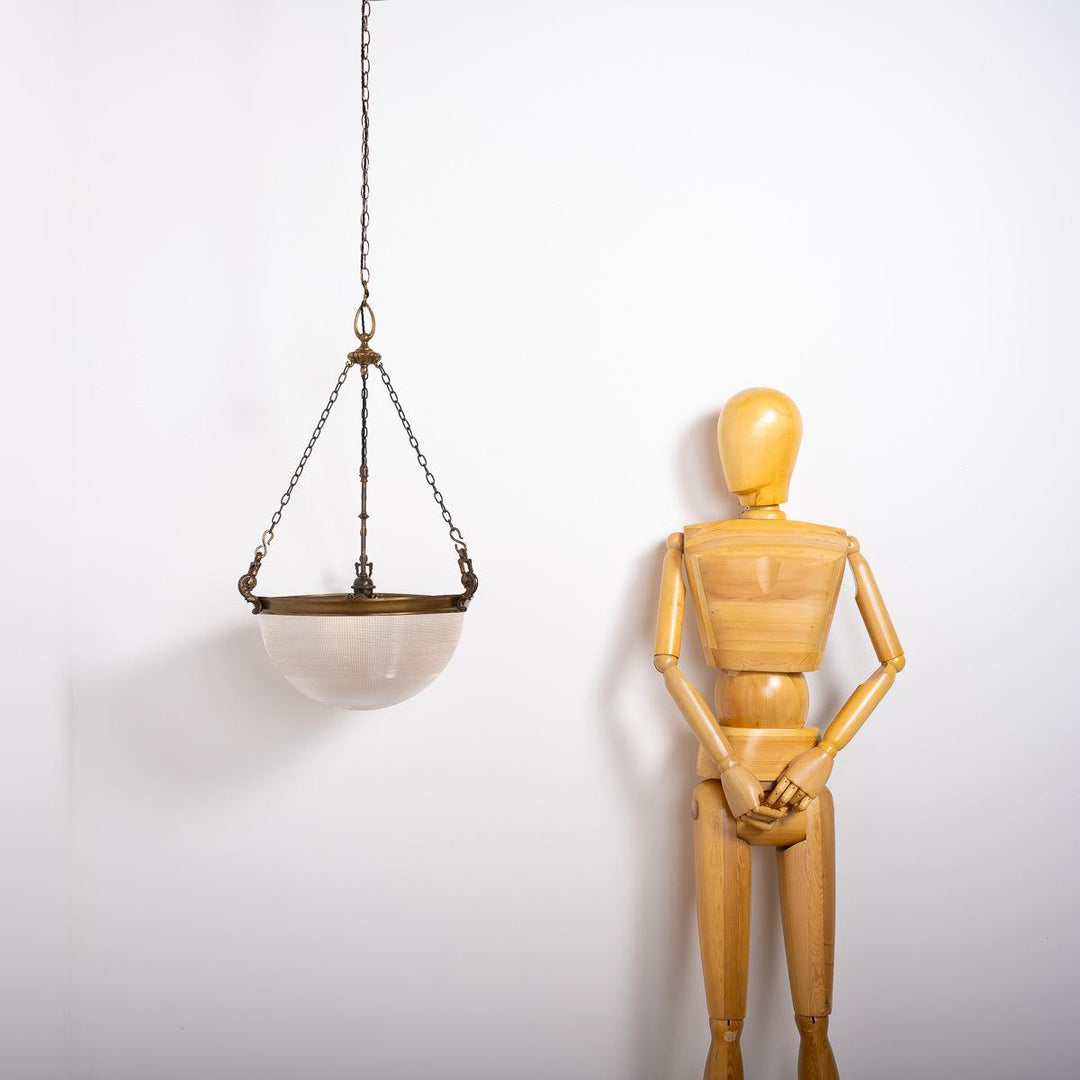
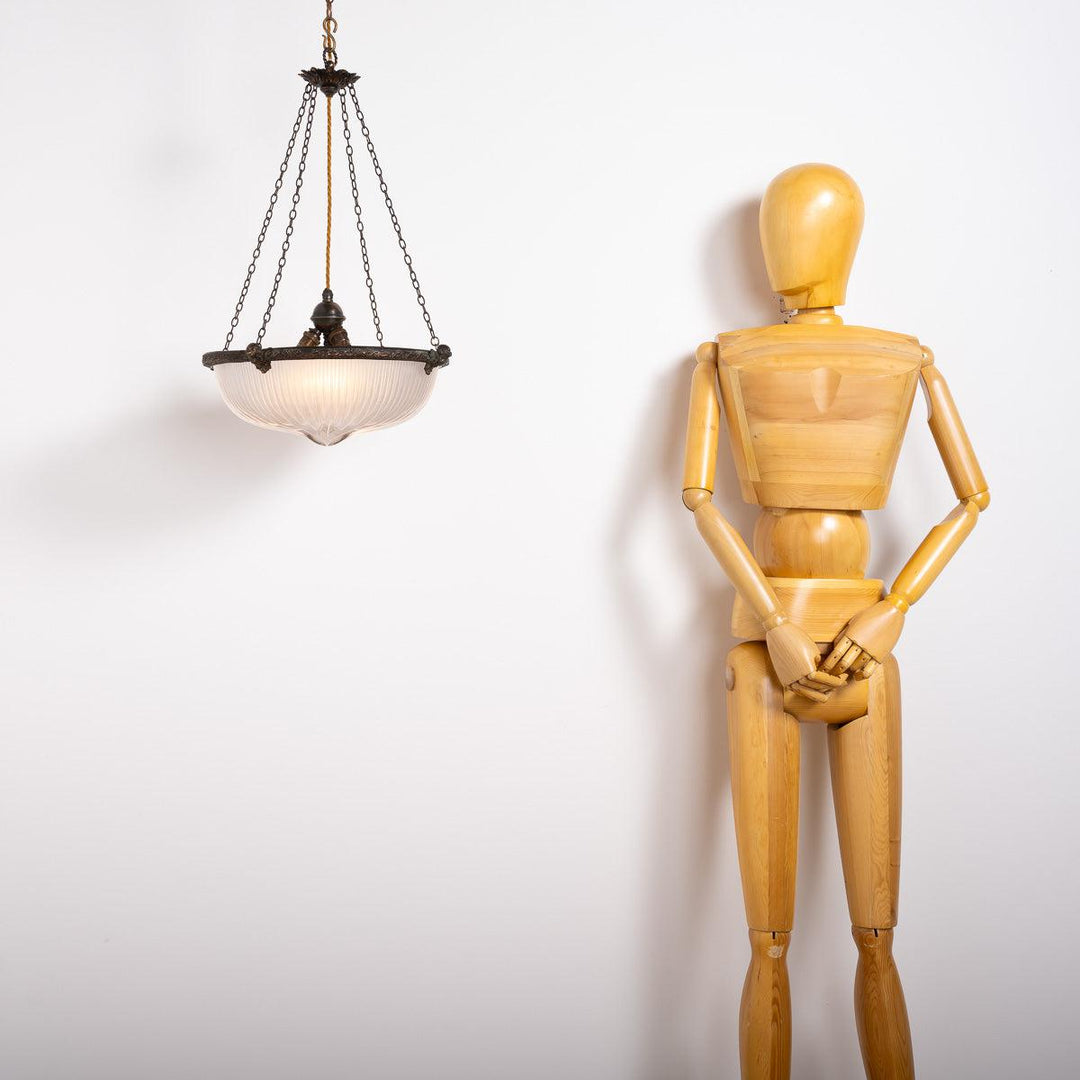
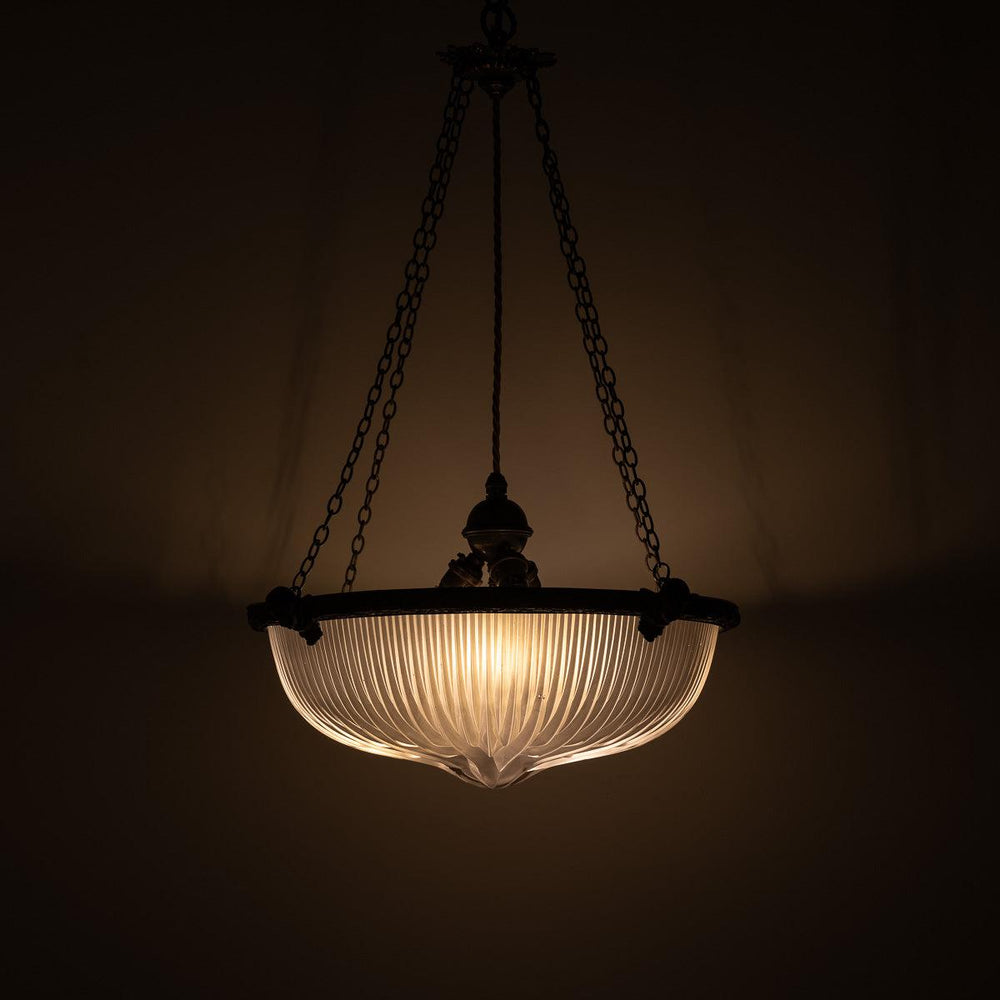
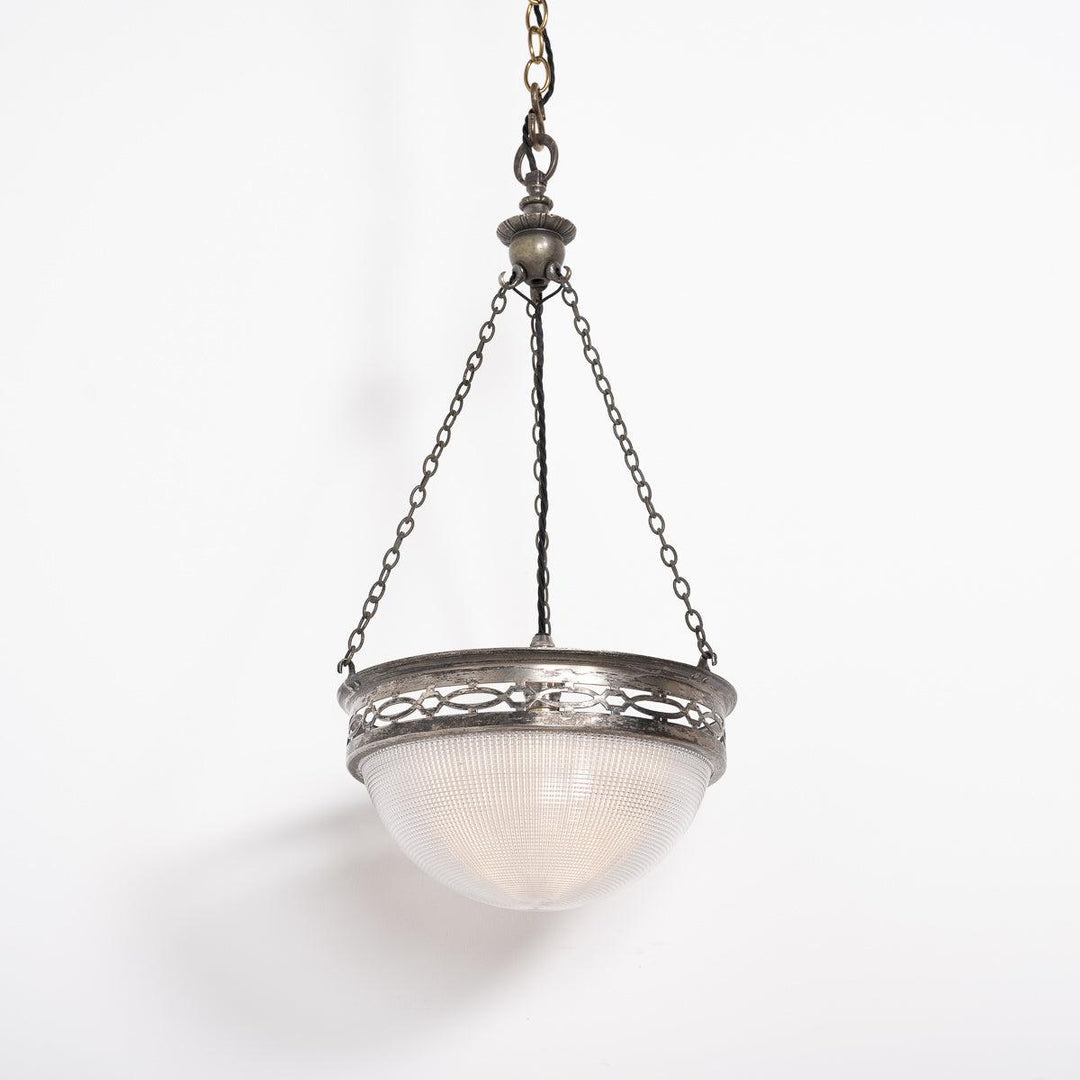
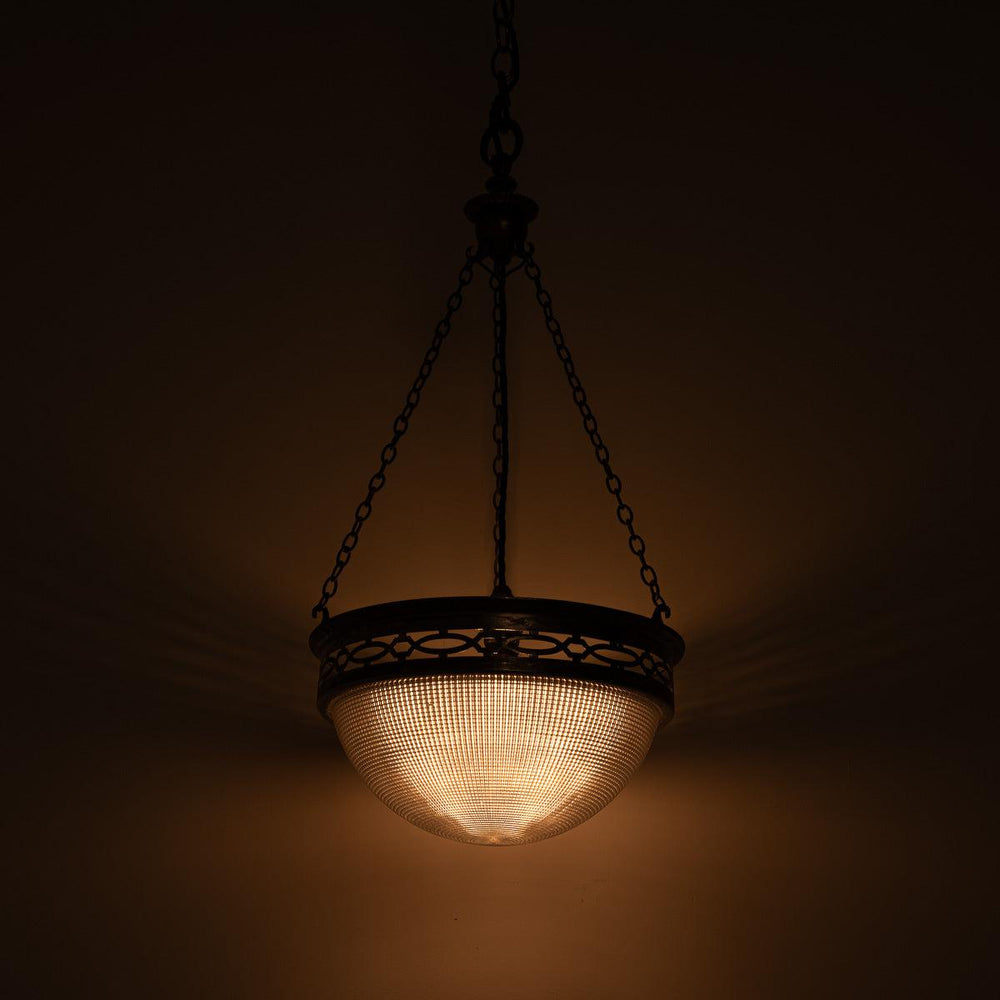
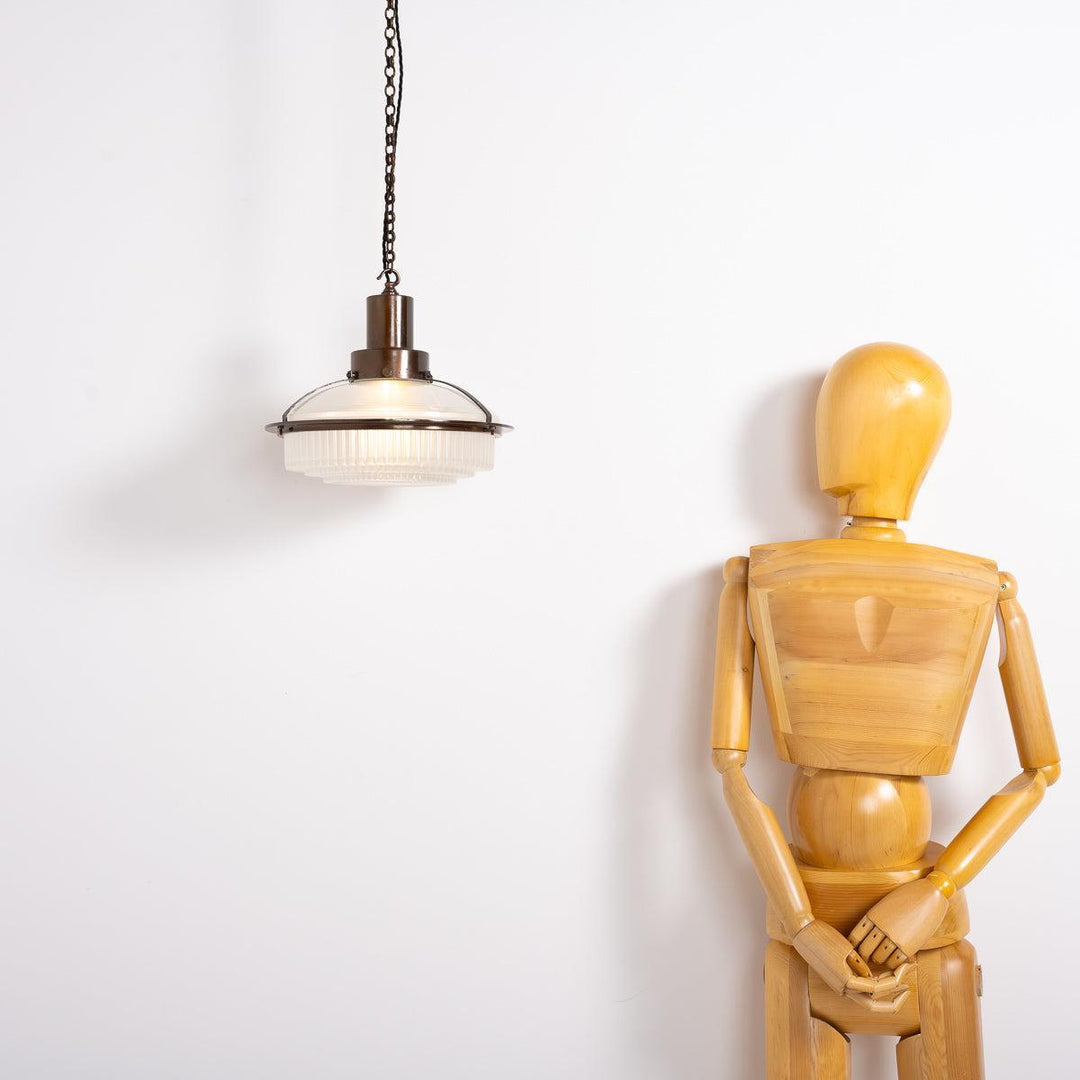
This collection holds original Holophane shades and fittings, British, American and French. Where a moulded mark or a catalogue entry confirms the country of manufacture or the model, the listing says so.